

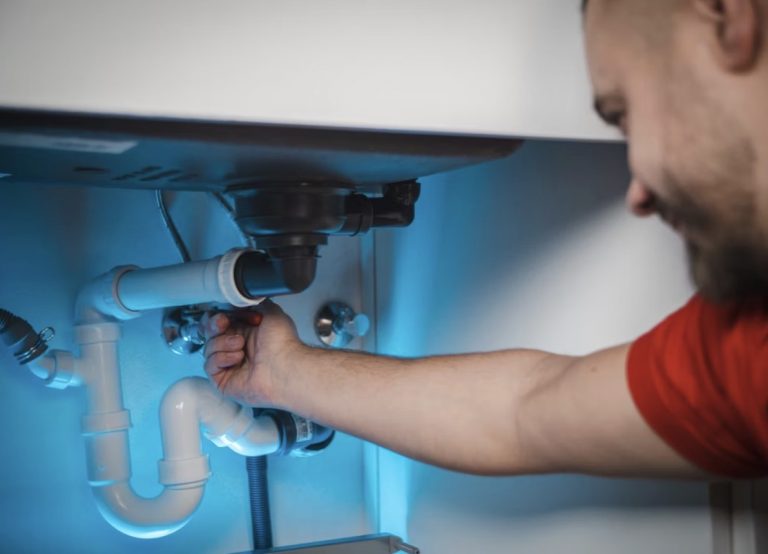

Advances in residential plumbing have transformed the way homeowners experience comfort, efficiency, and sustainability. Modern systems do more than deliver clean water and remove waste; they also integrate smart technologies, eco-conscious solutions, and innovations that make everyday living smoother. With the right features in place, homes become safer, more efficient, and better prepared for the future.
Smart Water Monitoring Systems
Smart water monitoring systems have become one of the most sought-after upgrades for new and renovated homes. These devices detect leaks in real time and send alerts directly to a homeowner’s phone, preventing costly water damage. Some models even allow remote shut-off of the water supply, ensuring peace of mind while away from home.
Studies show that undetected leaks account for nearly 10,000 gallons of wasted water annually per household, making these systems both a protective and cost-saving investment. When problems do occur, homeowners can rely on Saving Plumbing services to address emergencies quickly and effectively. Combining advanced monitoring technology with dependable service ensures that leaks and bursts are managed before they become catastrophic. This proactive approach keeps repair costs lower and safeguards both property and resources.
Beyond leak detection, advanced systems track water usage patterns and provide detailed reports. This allows families to identify areas where conservation is possible, such as reducing unnecessary outdoor irrigation. In some cases, monitoring devices can integrate with home automation platforms, creating a fully connected household that adapts to changing needs. Over time, these insights not only save money but also encourage sustainable habits among household members.
Tankless Water Heaters
Traditional water heaters with bulky tanks are being replaced by sleek tankless models. These units heat water on demand, which eliminates the energy wasted by maintaining a reservoir of hot water. Homeowners appreciate the endless supply of hot water, especially for larger families where back-to-back showers are common. By reducing standby heat loss, tankless heaters can cut energy consumption by up to 34 percent compared to conventional models, according to the U.S. Department of Energy.
Another benefit of tankless systems is their compact design, which frees up valuable space in utility rooms or basements. They also tend to last longer than traditional units, with many models offering a lifespan of 20 years or more when maintained properly. While the initial cost can be higher, lower utility bills and extended service life offset the expense. Many homeowners also value the reduced risk of catastrophic leaks, since tankless systems lack the large reservoir that can fail in conventional heaters.
Low-Flow Fixtures
Water conservation is a central focus in modern plumbing, and low-flow fixtures are leading the way. Faucets, showerheads, and toilets designed with efficiency in mind can drastically reduce household water usage without sacrificing performance. The Environmental Protection Agency estimates that switching to WaterSense-labeled fixtures can save a family about 13,000 gallons of water annually. These devices combine functionality with sustainability, which makes them an attractive upgrade for eco-conscious households.
Beyond their efficiency, modern low-flow fixtures have been engineered for comfort. High-quality designs use aerators to maintain water pressure while reducing consumption, ensuring showers and sinks remain pleasant to use. Manufacturers now offer a wide range of stylish options, so homeowners can choose products that enhance the look of kitchens and bathrooms. In many regions, rebates and incentives make these upgrades more affordable, further encouraging widespread adoption.
Greywater Recycling Systems
Greywater recycling takes conservation a step further by reusing water from showers, sinks, and laundry for non-potable purposes. This reclaimed water can irrigate landscaping or flush toilets, significantly lowering the demand for fresh water. Homeowners in drought-prone regions find greywater systems especially beneficial, as they help reduce utility bills while conserving precious resources. Some municipalities even provide incentives for installation, recognizing their long-term environmental impact.
Installing a greywater system requires planning and adherence to local codes, but the results are worth the effort. Advanced systems filter and disinfect the water, ensuring safety and reliability for reuse. For households committed to sustainability, integrating greywater technology is a tangible way to lessen environmental impact. As awareness of water scarcity grows, these systems are becoming not only practical but also a responsible choice for long-term resource management.
Touchless Faucets
Hygiene and convenience are two key benefits of touchless faucet technology. Motion sensors allow users to wash their hands or rinse dishes without touching the handle, reducing the spread of germs and bacteria. These faucets are not only popular in kitchens and bathrooms but also in laundry areas where messy tasks are common. Their water-saving design adds efficiency, since the flow shuts off automatically once the sensor no longer detects movement.
In addition to their hygienic benefits, touchless faucets offer accessibility for children, seniors, and individuals with mobility challenges. Families find them particularly useful when cooking or gardening, as they eliminate the need to operate handles with messy hands. With designs ranging from sleek modern finishes to traditional styles, these faucets complement a variety of home aesthetics. As smart home technology expands, many touchless models now pair with voice assistants, further improving ease of use.
Advanced Piping Materials
Outdated plumbing often struggles with leaks, corrosion, and inefficiency. Modern piping materials like PEX (cross-linked polyethylene) and CPVC (chlorinated polyvinyl chloride) offer flexibility, durability, and cost savings compared to traditional copper. They resist scale buildup and corrosion, extend the lifespan of a plumbing system, and are easier to install. Contractors and homeowners alike value these materials for their reliability and lower maintenance needs over time.
PEX piping, in particular, has gained widespread popularity due to its flexibility, which allows it to snake through walls and around obstacles with fewer fittings. This reduces installation time and minimizes weak points where leaks could occur. CPVC remains a strong choice for hot water applications, offering excellent heat resistance and long-term reliability. By choosing these materials, homeowners benefit from modern systems that withstand wear while providing consistent water flow for decades.
Water Softening and Filtration Systems
Hard water can cause scale buildup, shorten the lifespan of appliances, and leave residue on fixtures. Modern water softening and filtration systems address these issues by removing excess minerals and impurities before they circulate through household pipes. By improving water quality, these systems protect plumbing infrastructure and enhance the taste and safety of drinking water.
Many of today’s systems are highly efficient, requiring less salt or filter replacements while still delivering reliable results. They can also integrate with smart monitoring devices, giving homeowners detailed insights into their water quality. Beyond convenience, these systems help extend the life of dishwashers, washing machines, and even water heaters. Cleaner, softer water also means less soap and detergent usage, making daily tasks more efficient while reducing long-term costs.
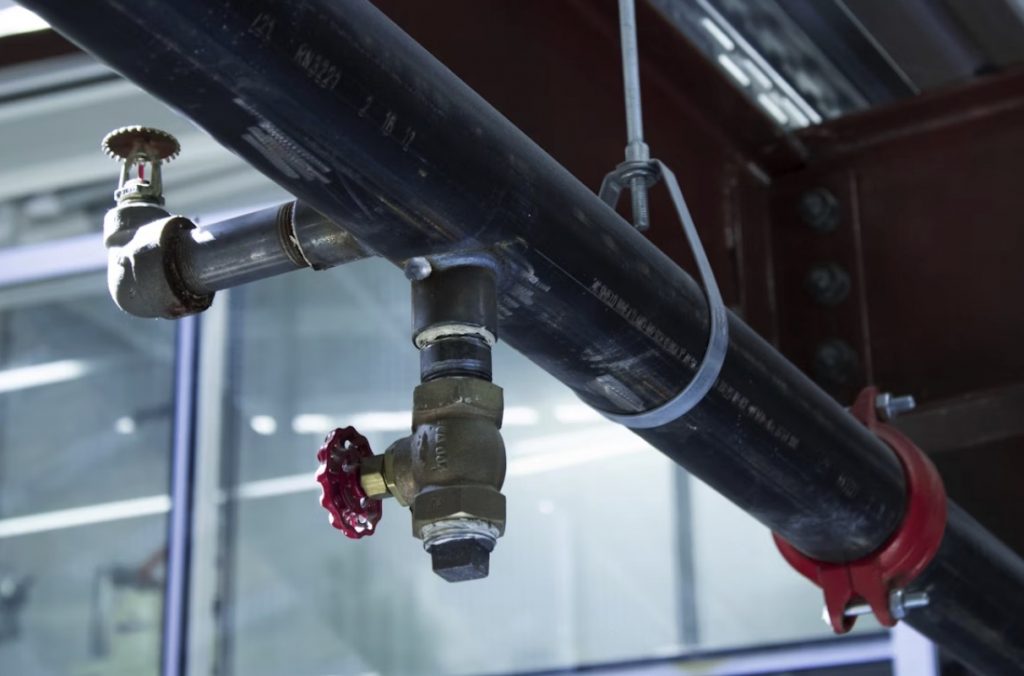
Homes today are expected to provide comfort, efficiency, and reliability, and plumbing technology plays a vital role in meeting those expectations. From leak detection to water recycling and advanced materials, these modern features set the standard for a safer and smarter household. Embracing these innovations not only enhances daily life but also supports a more sustainable future.

0 Comments