

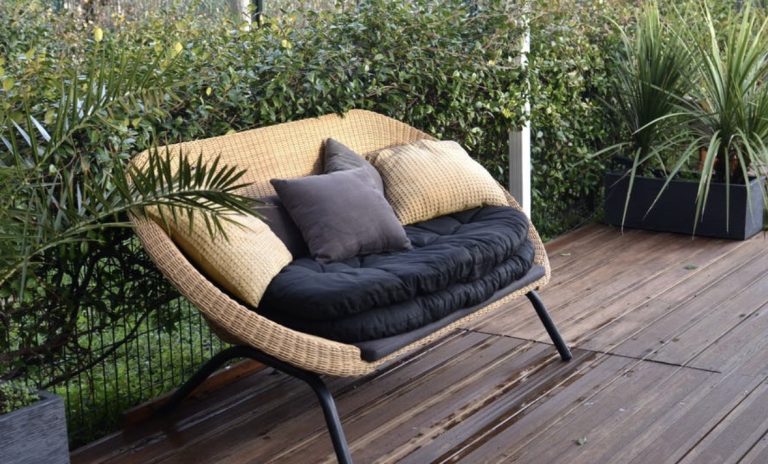

Selecting outdoor furniture is an exciting venture that can transform your backyard, patio, or garden into a functional and inviting space. With numerous options available, make the right decision for better comfort, aesthetics, and durability.
Outdoor furniture complements your home’s exterior and improves outdoor living experiences. This comprehensive guide will help you navigate the selection process, from materials to style, so that your outdoor space is both stunning and practical.
Understand Your Space and Style
Before diving into the world of outdoor furniture, take a moment to evaluate your available space. Measure the dimensions of your patio or garden to understand what will fit comfortably without overcrowding the area. Look into your personal style: modern, rustic, minimalist, or eclectic. Match the furniture with your home’s exterior for better cohesion. Think about the vibe you want to create, a cozy nook for reading or a lively area for socializing.
Choosing a theme or color scheme can streamline your options. Neutral tones provide a classic look, whereas vibrant colors can inject energy into your outdoor area. Factor in seasonal changes and how your furniture will adapt to different weather conditions. Have a balance between functionality and aesthetic appeal. Examine your outdoor traffic flow by leaving pathways clear so that movement isn’t restricted.
Consider Comfort with Seating Sets
Comfort should be a top priority in your outdoor space. If you’re ready to transform your backyard, you can buy outdoor seating sets to elevate your outdoor enjoyment. Look for cushions made from high-quality foam and covered with UV-resistant fabric to withstand sun exposure. Test the furniture in person, if possible, to guarantee that the depth and height of the seating suit your comfort preferences.
Don’t forget about ergonomic design features. Some chairs and sofas include supportive backrests and armrests that improve relaxation. Positioning your seating sets for optimal views or in shady spots can boost comfort further. If you plan to host gatherings, consider a modular seating arrangement for flexibility. This way, you can adjust your layout based on the number of guests.
Look for Durable Materials
Outdoor furniture must withstand various weather elements, and that’s why you should focus on material selection. The most common choices include wood, metal, plastic, and wicker. Each material has its own advantages and disadvantages based on durability, maintenance requirements, and aesthetic appeal. Teak and eucalyptus are popular woods due to their natural resistance to moisture and decay.
Metal options are durable, too. Aluminum is lightweight and rust-resistant; steel provides sturdiness but may need a protective coating. High-density polyethylene (HDPE) plastic mimics the appearance of wood but stands up well against fading and cracking, a great low-maintenance alternative.
Accessorize for Style and Function
After selecting your core furniture pieces, accessorize for style and functionality. Outdoor rugs can tie a space together, adding color and texture underfoot. Select rugs specifically designed for outdoor use for better durability against the elements. Add pillows and throws for a pop of color and comfort. Select fabrics suitable for outdoor use that resist fading and are easy to clean.
Lighting adds another layer to your outdoor experience: string lights, lanterns, or solar-powered stakes can create an inviting atmosphere after sundown. Outdoor tables can function as focal points or practical surfaces for dining and drinks. A coffee table or side tables with storage options can keep your space neat.
Budget Your Outdoor Furniture Purchase
Outdoor furniture can range from budget-friendly to high-end luxury items. Determine how much you’re willing to invest in your outdoor furniture upfront. Create a wish list of the must-have pieces, starting with heavier items like dining tables and chairs, and building from there. Keep an eye out for sales, discounts, and end-of-season clearances, which can save you money.
Investing in a few quality pieces may be better than filling your space with lower-quality items.
Prioritize your spending based on your lifestyle. If you plan to host frequent gatherings, it might be worth investing in durable and comfortable seating. Evaluate your needs and create a balance between comfort, style, and affordability.
Maintenance Tips for Longevity
For your outdoor furniture to remain in excellent condition for years, establish a regular cleaning and maintenance routine. Dust and debris can accumulate quickly, so clean your furniture at least once a month. Use appropriate cleaners and avoid harsh chemicals that could damage the finish or materials.
Storing cushions and furniture indoors during harsh weather conditions can extend their lifespan. If that’s not possible, use furniture covers tailored for outdoor use for added protection. Check the hardware periodically so that everything stays secure and make adjustments as necessary. Proper care will maintain the appearance of your outdoor furniture and improve its durability.
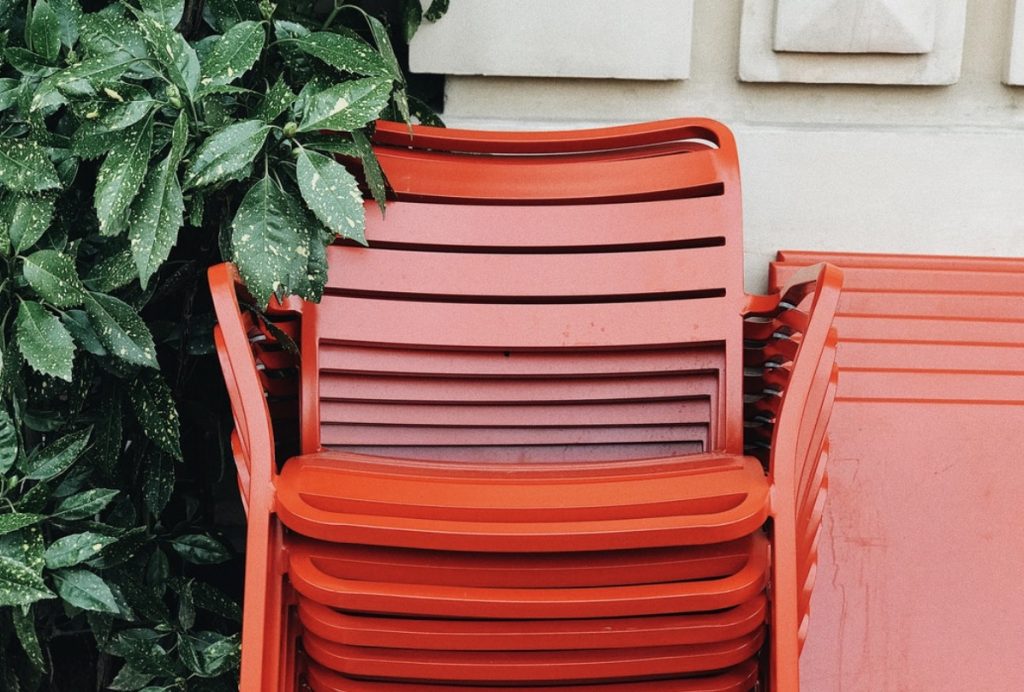
Selecting outdoor furniture can be a rewarding task when done right. Keep in mind your space, style preferences, and the right materials, and you will create an inviting atmosphere for relaxation and entertainment.
Prioritize comfort with thoughtful seating selections and incorporate attractive accessories to improve your outdoor living experience. Establishing a budget and adequately maintaining your furniture will provide long-lasting enjoyment for years to come.

0 Comments