
Occupational therapy benefits people at different stages of their lives. After an injury or illness, occupational therapy can help someone recover some of their previous motor function. A good occupational therapist can help someone with lifelong disabilities gain independence and confidence in daily life skills.
After a few sessions with an occupational therapist, patients see benefits in their everyday lives. Many report feeling happier, more confident, and more independent after working with an occupational therapist.
Here are some of the benefits that you can expect from occupational therapy in your or your loved one’s everyday life after sessions with an occupational therapist.
Performing Self-Maintenance Tasks Independently
One of the most frustrating things for people with disabilities or in injury recovery is the inability to care for themselves. Adults who need help to bathe, get dressed, and perform personal grooming feel infantilized and chafe at their lack of independence. Not being able to do self-maintenance tasks also stops someone from more complex activities, such as going outside independently.
One of the primary ways that an occupational therapist helps people is by working with them until they can perform self-maintenance tasks. Experienced, licensed occupational therapists know how to adapt their practices to the needs of a patient. Whether that’s breaking down the steps for someone with an intellectual disability or finding accessible equipment for a patient recovering from a stroke, the therapist will tailor their recovery plan to the patient.
Gaining the ability to do maintenance tasks is the first step toward increased independence for lots of people. It is also the task that has the biggest resonance in a person’s everyday life. People need to clean themselves, brush their teeth, and get dressed every day. Suddenly being able to do this by yourself instead of relying on others is life-changing.
Making Seemingly Impossible Activities Possible
Occupational therapists work on the patient’s environment to adjust the tasks they need to perform according to their needs.
The point of occupational therapy is to help patients find ways to do ordinary things that work for them. Programs are tailored to each patient’s needs and abilities.
For some patients, this means a house visit to recommend adaptations to the home that can make it more accessible to someone after a life-changing injury. For other patients, occupational therapy means breaking down tasks by micro-steps and introducing reminders in relevant parts of the house. Still others benefit from repeated exercises until they regain the motor skills they need to perform a certain task.
The result of this attention to detail on the part of the occupational therapist is that a patient is able to perform tasks they thought were impossible. Occupational therapists adapt tasks so that a patient can actually perform them, increasing their independence and quality of life.
Learning How to Regain Mobility
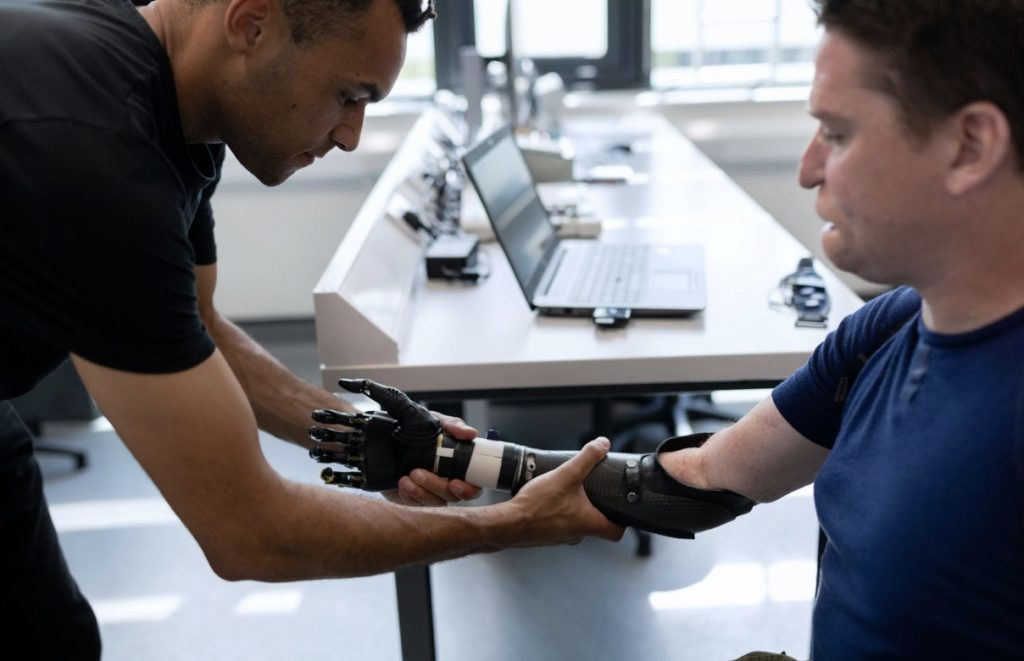
After a severe injury, many patients cannot regain their original level of mobility. That doesn’t mean that they’re bedbound or completely immobile. With a mobility device, patients can move around independently and perform daily tasks.
People who have never had to use a mobility device assume that patients just get a cane or wheelchair and are able to go about their daily lives again. However, learning how to use a mobility device requires relearning how to walk and get around again.
Mobility devices can cause fatigue and stress-related injuries if they’re not used correctly. More drastic interventions, such as prosthetics, need a long process of adjustment as the patient adjusts to their new device, builds muscle tone, and learns how to maneuver it.
Occupational therapists continue working with patients after they receive their mobility device, ensuring that they can use this technology. This empowers patients during a difficult, turbulent time in their lives to continue working on regaining their mobility. Occupational therapy increases the comfort and utility of an assistive device and sets patients on a faster path to recovered mobility.
The Everyday Benefits of Occupational Therapy
Occupational therapy sessions have long-lasting, everyday benefits for patients that continue even after therapy sessions are over. With help from a therapist, patients are able to perform everyday tasks such as grooming independently, regain mobility using an assistive device, and adapt tasks that felt out of reach to their own needs.
The benefits of occupational therapy go far beyond these simple tasks. The person in occupational therapy wakes up every day feeling independent and empowered to do tasks they thought were out of reach for them. Families get to see their loved one overcome challenges with support and thrive. The everyday emotional benefits of occupational therapy nearly outweigh the physical ones.