

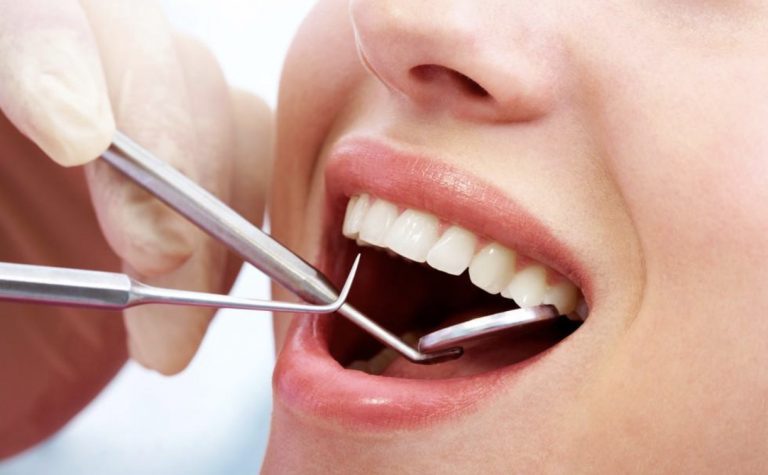

Maintaining excellent oral health starts with cultivating strong daily habits. Small, consistent actions—like brushing properly, flossing thoroughly, and attending routine dental visits—can dramatically reduce your risk of cavities, gum disease, and tooth loss. By understanding the key behaviors that support healthy teeth and gums, you’ll not only avoid painful procedures but also preserve a confident smile that lasts a lifetime.
Establish a Consistent Brushing Routine
Brushing twice a day remains the cornerstone of oral care. Use a soft-bristled brush and apply gentle, circular motions along the gum line to dislodge plaque without damaging enamel. Aim for two full minutes each session, ensuring you cover all tooth surfaces, including the hard-to-reach molars. Consistency helps prevent the buildup of harmful bacteria that lead to decay.
Floss Daily for Optimal Gum Health
Daily flossing removes debris and bacteria from between teeth and under the gum line—areas that even the best toothbrush can’t reach. Failure to floss can allow plaque to harden into tartar, contributing to inflammation. Around two in every five adults over age 30 suffer from gum issues when plaque is left unchecked. According to the Centers for Disease Control and Prevention, about 40% of adults over 30 have periodontal disease.
Schedule Regular Dental Checkups
Even with flawless home care, professional cleanings and exams are vital. Dentists can spot early warning signs of decay, gum disease or oral cancer before symptoms appear. Aim for checkups and cleanings every six months—or more often if your dentist recommends it. Early intervention not only saves your teeth but also guards against costly restorative treatments down the road.
Limit Sugary Foods and Drinks
Frequent consumption of sweets and sodas creates an acidic environment that erodes enamel. Whenever possible, swap sugary snacks for tooth-friendly alternatives like cheese, nuts or crunchy vegetables. Drinking water instead of sugary beverages helps neutralize oral acids and wash away food particles. Small dietary swaps can yield big improvements in cavity prevention over time.
Replace Your Toothbrush Every Three Months
A worn brush can’t clean effectively. Overused bristles become frayed, losing their ability to reach between teeth and along gums. Swapping in a fresh toothbrush or brush head every three months keeps your brushing efficient. Replace it sooner if bristles show visible wear or after recovering from an illness to avoid reintroducing bacteria.
Use Fluoride Toothpaste
Fluoride strengthens enamel and helps reverse early decay, making it an essential ingredient in toothpaste. Look for products bearing the American Dental Association Seal of Acceptance to ensure adequate fluoride levels. Brushing with a fluoride toothpaste twice daily helps remineralize weakened enamel and provides an extra defense against cavities.
Protect Your Teeth During Activities
Impact sports, grinding during sleep or habitual nail biting can all damage teeth. Wear a custom mouthguard during athletic activities to cushion blows. If you grind at night, ask your dentist about a night guard to prevent enamel wear. These protective devices safeguard your investment in dental health by absorbing stress that would otherwise fracture or chip teeth.
Care for Dentures and Replacements
Whether you have partial dentures, full plates or dental implants, proper maintenance is crucial. Remove and rinse dentures daily, using a nonabrasive cleaner to eliminate stains and bacteria. About 15% of those without natural teeth receive new dentures each year, underscoring the ongoing need for care and periodic adjustments. According to the American College of Prosthodontists, roughly 15% of the edentulous population has dentures made annually.
Educate Yourself on Oral Health Risks
Knowledge empowers prevention. Understanding common issues—like dry mouth, enamel erosion or tooth loss—helps you take timely action. Nearly one-quarter of Americans live without any natural teeth, a clear sign of advanced neglect. According to Unnus, one in four people in the United States have no teeth. Staying informed about risk factors keeps you proactive in safeguarding every smile.
Regularly practicing these dental habits builds a robust defense against cavities, gum disease and the many complications that arise from poor oral hygiene. By brushing correctly, flossing daily, and leveraging professional care—alongside lifestyle adjustments—you’ll preserve both function and aesthetics. Start integrating these strategies today to enjoy long-lasting oral health and the confidence that comes with a bright, healthy smile.

0 Comments