

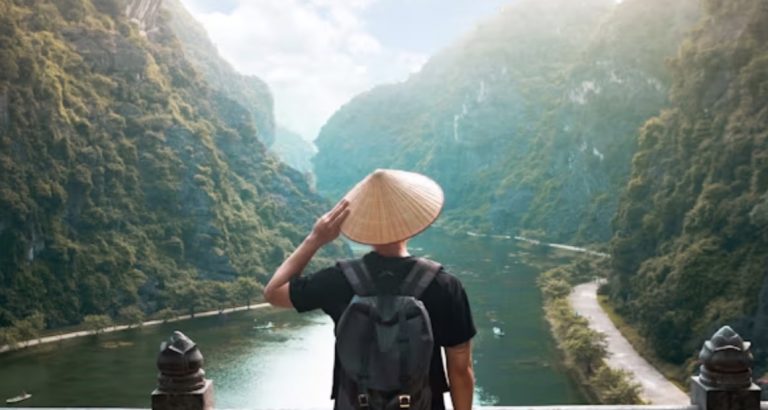

Travel has always been a pursuit of discovery, a way to experience different cultures, environments, and perspectives. For a long time, tourism followed a predictable pattern: visiting major attractions, booking guided tours, and following well-trodden itineraries. Many travelers still enjoy this structure, yet there is an increasing number of people searching for different ways to connect with places they visit. Unique travel styles are emerging as alternatives, inviting individuals to shape journeys that feel more personal and adventurous. These approaches to exploration can create lasting memories and redefine what it means to travel.
Embracing Two Wheels for Freedom
For those who prefer journeys where flexibility and independence take center stage, renting a motorcycle has become an appealing option. Moving across winding roads, coastal routes, and mountain passes on two wheels can transform the journey into an integral part of the adventure. With options like riderly.com, travelers gain access to a network of rentals that simplify the process and expand possibilities. A motorcycle allows access to hidden corners that larger vehicles cannot reach, while offering a deeper sense of connection to the environment along the way. This form of travel appeals to those who value spontaneity, as every turn presents an opportunity to stop, explore, or continue toward unknown destinations.
Slow Travel and the Art of Staying Longer
Many travelers are discovering that staying in one place for an extended period can offer a more meaningful experience than racing through multiple cities in a short time. Slow travel emphasizes immersion by allowing individuals to live more like locals rather than visitors. Renting an apartment, shopping at neighborhood markets, and learning regional customs give a deeper perspective on daily life. Extended stays reduce the feeling of constant transit and provide space to form connections that fleeting visits cannot create. This travel style focuses on quality over quantity, encouraging a stronger bond with each destination.
Volunteering Abroad as a Path to Connection
Another emerging approach is combining travel with service. Volunteering abroad offers opportunities to contribute to community projects, environmental initiatives, or educational programs. This form of travel transforms the journey into a reciprocal exchange, where both visitor and host community benefit. Participants often return home with valuable skills, expanded networks, and a stronger sense of purpose. The chance to engage directly with local people adds depth to the cultural experience and often leads to friendships that extend beyond the trip itself. Traveling with the intention to give back creates stories that are both rewarding and enduring.
Adventure Travel Beyond Comfort Zones
For those drawn to excitement, adventure travel pushes the boundaries of conventional tourism. Activities such as rock climbing, trekking, kayaking, or paragliding allow travelers to test their endurance and courage in different environments. These experiences not only provide adrenaline but also reveal aspects of nature that remain hidden from casual sightseeing. Whether it is scaling a mountain peak or rafting down a wild river, adventure travel encourages individuals to embrace challenges and celebrate achievements that feel deeply personal. Each expedition becomes more than a physical journey, often shaping resilience and self-confidence long after the trip ends.
Cultural Immersion Through Homestays
Staying with a local family offers a perspective that hotels and resorts cannot replicate. Homestays provide direct access to traditions, food, and customs in a setting that feels authentic. Guests often share meals, join family gatherings, and learn customs that reveal the true essence of a community. Conversations around the dinner table become lessons in culture and history, often leaving a deeper impression than museum visits or guided tours. For many travelers, these experiences build long-lasting bonds with host families, creating a sense of belonging in a distant land. Cultural immersion through homestays transforms tourism into an exchange rooted in everyday life rather than curated attractions.
Eco-Conscious Journeys with Purpose
Sustainability is shaping the way people think about travel. Eco-conscious journeys prioritize responsible choices, from transportation to accommodations. Staying at eco-lodges, supporting conservation projects, and choosing local businesses reduce the environmental impact of travel while strengthening regional economies. Travelers who adopt this style often focus on preserving natural beauty and respecting cultural heritage. Many destinations now offer structured programs where visitors can learn about ecological practices while actively participating in conservation. This form of travel blends adventure with responsibility, appealing to those who want their journeys to reflect values of care and stewardship.

Travel is evolving, expanding far beyond the traditional model of sightseeing tours and predictable itineraries. Whether it is the freedom of riding a motorcycle, the depth of slow travel, the purpose found in volunteering, the thrill of adventure, the warmth of homestays, or the responsibility of eco-conscious exploration, each approach offers a new lens through which to see the world. These styles invite travelers to shape experiences that resonate with personal values and desires, creating stories that remain long after the journey ends. Exploring beyond traditional tourism allows travel to become not only a way to see new places but also a way to grow, connect, and create lasting meaning.

0 Comments