

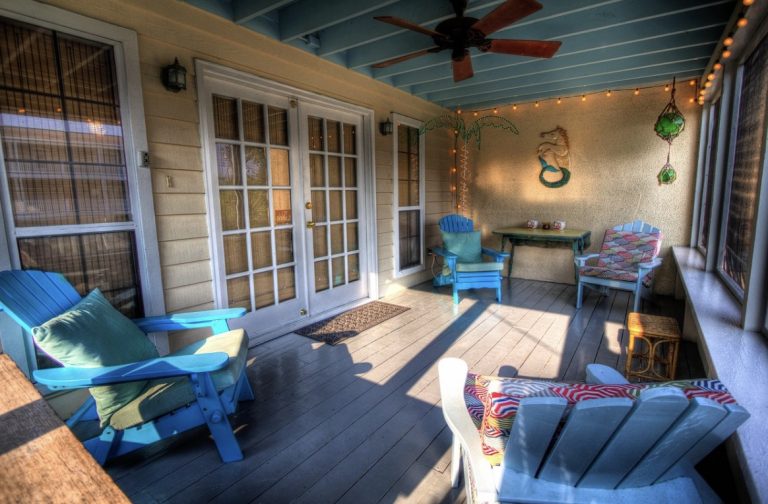

In the world of home improvement, the significance of design cannot be overstated. Home upgrades are often driven by the desire for better functionality, increased energy efficiency, or simply more aesthetic appeal. Whether considering a minor renovation or a major overhaul, design plays a pivotal role in achieving desired outcomes while ensuring that homeowner expectations are met or exceeded. The right design can transform a space, making it more livable and more visually striking and aligned with contemporary trends. As many homeowners ponder upgrades, understanding how design impacts these projects is important.
Understanding the Basics of Design
Design encompasses much more than aesthetics. It is about creating an environment that meets the needs of its inhabitants. Good design principles involve the thoughtful coordination of color, texture, space, and light. These elements work together to create harmony and functionality in a home. In a kitchen upgrade, the layout should facilitate movement and provide ample space for cooking and entertaining while incorporating design features that enhance the aesthetic. Understanding these basics can lead homeowners to make informed choices that enhance both practicality and style.
The importance of a cohesive color scheme cannot be overlooked. Colors have the power to influence mood and perception, and they can make a space feel larger or more intimate depending on how they are used. Trends often shift. Classic design principles hold through time. Homeowners should consider how the design integrates with the existing architecture and style of the home. Mismatched designs lead to a disjointed look that can disrupt the flow of a property.
Emphasizing Functionality in Design
One critical aspect of design is its emphasis on functionality. An upgrade should focus on upscale finishes or trendy fixtures and on improving the utility of a space. In a bathroom renovation, incorporating features such as built-in shelving for storage or dual vanities can improve everyday functionality. Features like energy-efficient windows and doors can play a significant role in enhancing both comfort and cost savings in the long run.
Investing in upgrades that consider functionality alongside design creates spaces that are tailored to individual lifestyles. Families with children may prioritize durable materials and low-maintenance surfaces, while professionals might seek out modern designs conducive to productivity and relaxation. This alignment ensures that the investment made truly enhances the living experience. Homeowners often benefit from consulting with experienced professionals who can integrate functionality with elegant design, making the most of their investment.
The Impact of Trends on Home Upgrades
Design trends can significantly influence the style of home upgrades. Elements such as open floor plans, natural materials, and sustainable options have gained widespread popularity. Homeowners looking to elevate their spaces often gravitate toward these trends because they offer aesthetic appeal and practicality and increased value. Open floor plans encourage natural light and provide a spacious feel, creating a welcoming atmosphere in living spaces.
Homeowners need to remain true to their taste while embracing trends. A successful upgrade should reflect both current aesthetic preferences and individual personality. When choosing design elements, homeowners should consider performing due diligence to find reliable resources and professionals, like at LouisvilleWindowCompany.com or any other reputable window contractor, to ensure that their selections improve the beauty of their home and its performance as well. Striking the right balance between trendy enhancements and timeless appeal ensures that upgrades remain attractive and functional for years to come.
Balancing Aesthetics and Budget
Budget constraints can be a significant factor in home upgrades. Homeowners should aim for a balance between aesthetics and budget, as high-quality design does not have to come at an exorbitant cost. Strategic planning is crucial. By identifying must-have features and prioritizing crucial upgrades, homeowners can allocate their budget in a way that maximizes both appearance and functionality while minimizing unnecessary expenses. Investing in quality cabinetry or fixtures may come at a higher upfront cost, but it can pay off in terms of longevity and satisfaction.
Homeowners can seek out creative solutions that allow them to stay on budget without compromising quality. Using reclaimed materials or opting for DIY projects can inject individuality and charm into a space. Exploring local artisans for unique furnishings or collaborating with emerging designers allows for distinctive touches that can elevate a home’s design while keeping costs manageable. By being resourceful and informed, homeowners can achieve exquisite results that do not break the bank.
The Role of Lighting in Design
Lighting is an often-overlooked element of design that profoundly affects the ambiance of a space. The right lighting can enhance color schemes, highlight architectural features, and improve functionality in various rooms. Natural light is incredibly valuable, and windows are crucial in allowing sunlight to flood spaces, making them feel larger and more inviting. Thoughtfully placed artificial lighting can complement natural light, providing warmth and enhancing usability during evening hours.
The key is to layer various light sources, including ambient, task, and accent lighting, to create a rich, dynamic environment. Fixtures should be chosen based on the desired mood and purpose of the space. Proper lighting can visually expand areas that feel cramped and create focal points that guide the eye through a room, contributing to a sense of flow and coherence in home design.

Incorporating Sustainable Practices
With an increasing awareness of environmental issues, sustainability has become a significant factor in design considerations for home upgrades. Homeowners are more mindful of how materials and practices impact the environment and seek options that marry sustainability with aesthetics. Selecting products with low environmental impact, such as reclaimed wood, energy-efficient appliances, and sustainably sourced fabrics, can help achieve a beautiful and environmentally responsible space.
Incorporating sustainable practices into design ties in beautifully with energy efficiency. Smart upgrades, like energy-efficient windows or solar panel installations, contribute positively to environmental conservation while offering homeowners savings on energy bills. As the demand for eco-friendly options rises, homeowners can feel empowered to improve their homes and contribute to a healthier planet.
Successful home upgrades hinge on the harmonious integration of design principles, functionality, and personal preferences. Homeowners can navigate the complexities of renovation to create spaces that meet their immediate desires and enhance the quality of life, ensuring lasting satisfaction in their homes.

0 Comments