
Modern kitchens combine beauty with functionality, and air quality is a critical element in their design. A well-ventilated kitchen not only keeps the air fresh but also protects cabinetry, walls, and furniture from lingering smoke, heat, and grease. Cooking produces airborne particles that can settle across surfaces and create odors that linger long after a meal is finished. Ventilation systems address these challenges and maintain a comfortable environment, making them a key factor when designing or remodeling any kitchen. With the right setup, homeowners can balance performance with style and elevate both comfort and practicality.
Range Hoods and the Role of Vent Hoods
One of the central features of a kitchen ventilation system is the range hood. These fixtures are mounted above cooking surfaces to capture smoke, steam, and grease before they disperse into the room. For many homeowners, the design of the hood must complement cabinetry and other finishes, which is why customizable options are highly valued. This is where vent hood inserts become a preferred choice. They allow homeowners to select a decorative exterior that matches the overall style of the kitchen, while the insert provides the power and filtration needed to handle demanding cooking tasks. By combining design flexibility with technical performance, these systems strike a balance between elegance and efficiency.
Choosing Between Ducted and Ductless Systems
Kitchen ventilation systems typically fall into two categories: ducted and ductless. Ducted systems expel air outside through a series of vents, creating a direct pathway for smoke and odors to leave the home. They provide strong performance and are especially effective for frequent or heavy cooking. Ductless systems, by contrast, use filters to clean the air before recirculating it back into the room. They are often easier to install in spaces where exterior venting is not feasible. Both approaches have their strengths, and the decision depends on the layout of the kitchen, the building structure, and the cooking style of the household. By evaluating these factors, homeowners can determine which system best matches their needs.
Ventilation Power and Performance Ratings
The efficiency of a ventilation system depends heavily on its power, often measured in cubic feet per minute (CFM). This rating reflects how much air the system can move within a specific timeframe. A higher CFM unit will generally be more effective at clearing smoke and steam, though it may also create more noise if not carefully designed. For small kitchens, a lower CFM range hood might be sufficient, while larger open-plan spaces often demand stronger units. Beyond airflow, additional performance features such as multi-speed fans, heat sensors, and quiet operation modes can make a significant difference in daily use. Matching these specifications to cooking habits ensures that the system delivers reliable results.
Integrating Ventilation into Kitchen Design
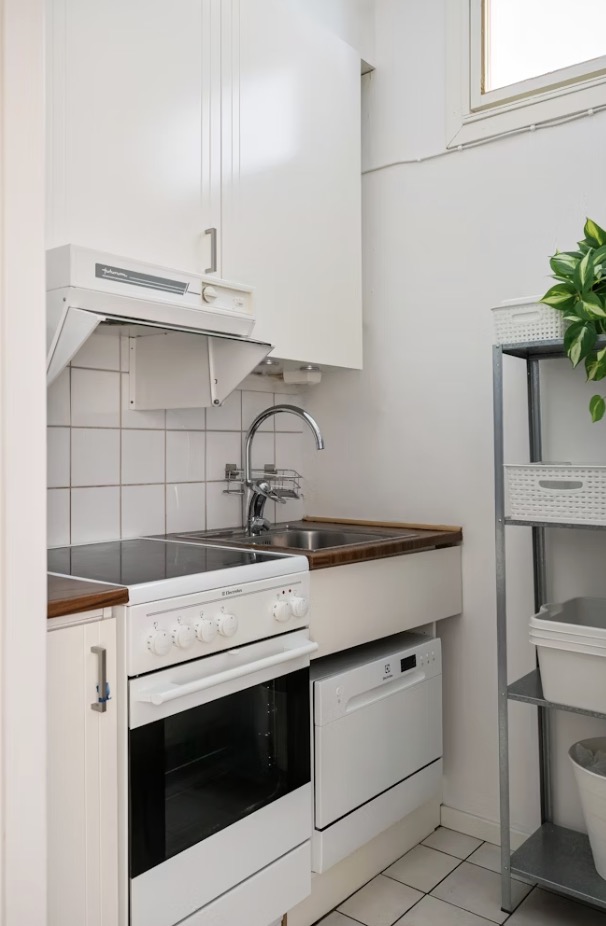
Modern kitchens often prioritize seamless integration of appliances and fixtures. Ventilation systems no longer need to stand out as bulky industrial features; instead, they can be incorporated into cabinetry or ceiling designs for a refined look. Custom wood surrounds, stainless steel finishes, and built-in options all allow ventilation to serve both functional and aesthetic roles. Designers often view these elements as opportunities to enhance the room’s overall atmosphere. Whether the goal is to highlight the hood as a centerpiece or disguise it behind matching panels, the right integration strategy can transform ventilation into a natural part of the kitchen’s flow.
Maintenance and Longevity
Long-lasting performance depends on proper maintenance. Grease and smoke particles collect on filters, fans, and ducts, gradually reducing efficiency. Removable filters should be cleaned or replaced at regular intervals to maintain airflow and prevent buildup. Stainless steel surfaces benefit from frequent wiping with appropriate cleaners, which helps preserve their appearance while reducing residue. For ducted systems, periodic inspection of the venting pathway ensures that blockages do not compromise performance. Addressing these routine tasks prolongs the lifespan of the equipment, keeps noise levels low, and supports consistent results during cooking.
Innovations in Ventilation Technology
Advancements in ventilation technology continue to reshape how kitchens are designed and used. Many modern systems offer energy-efficient motors, LED lighting, and advanced filtration methods that capture even finer particles. Smart controls now allow users to adjust fan speeds, monitor air quality, or set timers through digital panels or mobile apps. Quiet operation has also become a focus, with improved insulation and motor designs reducing the distraction of loud fans. These innovations give homeowners a wide range of options that not only address functional needs but also align with broader lifestyle preferences.
Kitchen ventilation is more than a technical necessity; it plays a direct role in creating a comfortable and visually appealing environment. Vent hoods provide flexibility for those seeking a balance between efficiency and style, while new technologies continue to refine how these systems operate. By approaching ventilation as both a functional requirement and a design opportunity, modern kitchens can achieve the perfect combination of clean air, quiet performance, and aesthetic harmony.