

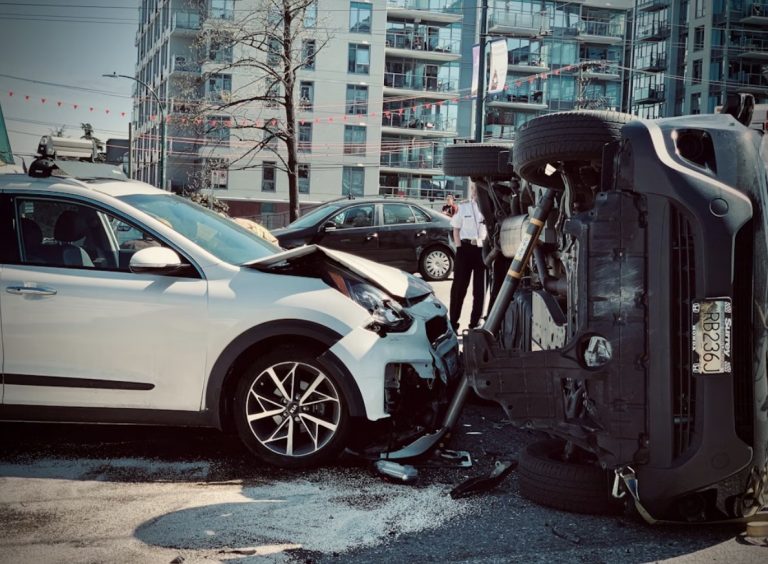

The integration of 3D animation technology in vehicle crash reconstruction is transforming the way incidents are analyzed and understood. With striking accuracy and visual appeal, this technology provides a clearer representation of events and plays a critical role in legal settings and insurance investigations.
3D animations provide an immersive experience that simplifies the presentation of intricate details, facilitating a better understanding of the events surrounding an accident. Here, we explore six key ways in which 3D animation technology serves the field of vehicle crash reconstruction.
Enhanced Visual Representation of Accidents
In crash reconstruction, clarity is paramount. Traditional methods, which often rely on 2D diagrams and photographs, may struggle to convey the full scope and dynamics of a crash. 3D animation brings these events to life, enabling investigators to create comprehensive visualizations based on physical evidence and data analysis.
These representations can illustrate the minute details of a crash, such as the points of impact and the angle of collision, which are critical in determining causation. Insurers and juries alike find 3D models far more engaging than static images, allowing them to recall the sequence of events with greater accuracy. One striking example involves a multi-vehicle collision where the animations demonstrated each vehicle’s speed and trajectory, highlighting how these factors contributed to the incident.
Simplifying Complex Legal Options
When accidents occur, the subsequent legal proceedings can be intricate and overwhelming. 3D animation plays a key role in articulating complex scenarios to judges and juries. The use of crash reconstruction graphics can simplify intricate details, focusing attention on essential aspects that establish negligence or fault. Litigation specialists often leverage these animations to highlight critical moments within the timeline of events.
3D animations can help clarify the narrative of a crash for those unfamiliar with vehicular dynamics by visually breaking down what occurred during the event. This level of transparency proves advantageous in legal situations, providing a tool that accurately reflects the context of the incident while illustrating potential liability. With a clearer understanding, jurors are better positioned to assess the evidence presented before them.
Improvement in Technical Analysis
3D animation tech aids in precise technical analyses, enhancing understanding of accident dynamics. Engineers utilize simulations to study factors like vehicle design, weight distribution, and environmental conditions. Teams can evaluate possible results and understand the causes of the crash by inputting different parameters concerning speed and positioning.
This simulation process ensures that investigators aren’t just guessing what happened; they are supported by data and calculated probabilities. Understanding these elements helps ascertain fault and liability more effectively. In some cases, courts have accepted these simulations as evidence, as they are rooted in sound engineering principles and data.
Fostering Better Communication Among Stakeholders
Effective communication is more important than ever in the aftermath of a vehicle crash. 3D animation technology fosters collaboration between law enforcement, lawyers, insurance adjusters, and clients. When crash scenarios are visualized, various stakeholders can engage in discussions based on shared evidence, rather than depending on differing interpretations.
As professionals review the animations together, they can identify specific points of ambiguity or agreement. This collaborative environment accelerates the investigative process and improves the accuracy of the conclusions drawn. In turn, better communication minimizes friction between parties and can lead to quicker resolutions of claims or lawsuits.
Educational Applications for Training
Training programs for law enforcement and accident reconstructionists increasingly incorporate 3D animation tech to educate new professionals on crash dynamics and investigation techniques. Visual learning can enhance understanding, as trainees can witness simulated crashes from various perspectives.
This immersive experience facilitates a deeper grasp of nuances that may be overlooked when only studying text or static images. Further, established professionals benefit from ongoing training using updated animations that reflect new findings or methodologies in accident reconstruction. When faced with the challenge of addressing complex cases, professionals who keep their skills up to date ensure they are well prepared for practical use.
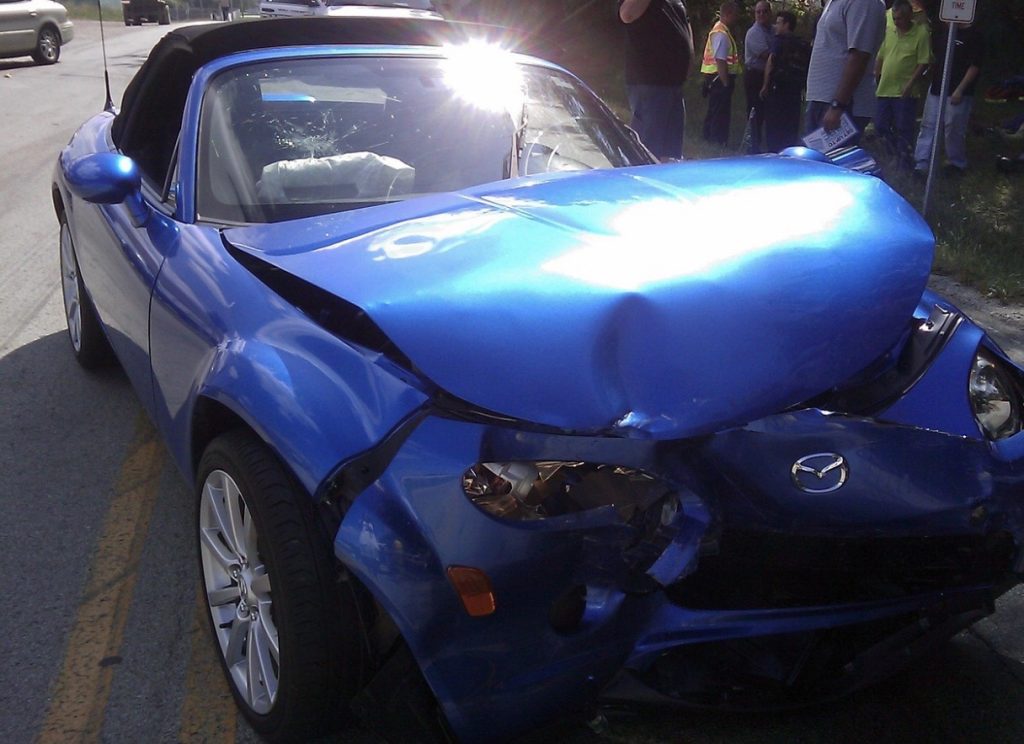
Transporting Data into the Future of Insurance
As the insurance industry evolves, 3D animation technology plays a forward-thinking role in how claims are assessed and managed. Insurers are beginning to use this tech during litigation and for initial evaluations. Early insights gleaned from animated simulations can inform claims adjusters regarding the severity of damages and the plausibility of various claim scenarios.
Looking ahead, the capacity for 3D animations to integrate with data analytics platforms is significant. Predictive modeling could become standard practice, where animations might provide a visual representation of multiple claims based on historical data and variables. This progressive approach may redefine approaches to risk management and policy structuring as well. Vehicle crash reconstruction is undergoing a profound transformation thanks to 3D animation technology.
The benefits it provides in enhancing visual representation, improving technical analysis, simplifying legal options, facilitating collaboration, fostering education, and shaping the future of claims processing together yield an extensive array of advantages. Legal and insurance professionals who harness this technology will likely find themselves at a significant advantage as they navigate the complexities of vehicle accidents.

0 Comments