

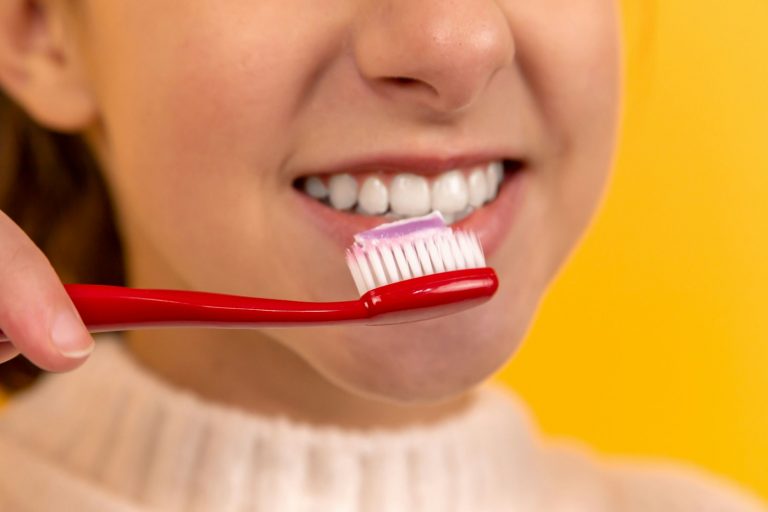

For years, fluoride was the gold standard in children’s toothpaste. Dentists recommended it, schools passed it out, and parents felt like they were doing the right thing by making sure their kids used it every night. But lately, something’s been shifting. A growing number of parents are paying closer attention to what’s actually in their children’s dental products, and nano-hydroxyapatite is gaining serious traction as the ingredient to watch. Backed by real science and used originally in medical and space applications, this mineral isn’t just fluoride’s trendy cousin, it’s a functional and safe alternative that’s giving families more control over dental care. Let’s discover what’s behind the rise of nano-hydroxyapatite toothpaste for kids’ toothpaste, what it’s replacing, and why so many parents are making the switch.
The Science Behind the Switch: What Nano-Hydroxyapatite Replaces
So what is this stuff, exactly? Nano-hydroxyapatite is a synthetic form of the same mineral that makes up most of our tooth enamel and bone. It was first used in bone grafts and dental implants, but now it’s making its way into everyday toothpaste. What it replaces is fluoride and its harmful effects. The issue for many parents comes down to dosage and ingestion. Kids tend to swallow toothpaste, sometimes a lot of it. That’s why nano-hydroxyapatite is important in kids toothpaste.
Because it’s biocompatible and non-toxic even when swallowed, it sidesteps the concerns around over-fluoridation while still helping to strengthen enamel. It doesn’t coat the tooth with chemicals. It binds with the surface and fills in tiny holes and weak spots, making it harder for cavities to take hold. For parents who want the benefits of fluoride without the risks, this mineral gives them that balance.
When Braces Enter the Picture, Everything Changes
Once your child has braces, regular brushing becomes anything but straightforward. Cleaning around brackets and wires takes patience, precision, and the right tools. What many parents don’t realize until they’re in the thick of it is just how much harder it becomes to protect enamel during orthodontic treatment. The brackets themselves trap food particles and make it easier for plaque to stick around, and if oral hygiene slips even a little, white spots and early-stage decay can sneak in fast.
That’s why cleaning with braces often requires more than just diligence, it calls for products that help actively repair and strengthen teeth. Nano-hydroxyapatite steps up in this situation because it supports enamel remineralization right at the surface level. Parents navigating a new care routine benefit from safe, gentle options that can reinforce enamel without increasing the risk of overexposure to fluoride. Especially with younger kids still learning good technique, the extra support goes a long way.
Gentle Enough for Kids, Strong Enough to Actually Work
If there’s one thing kids aren’t always known for, it’s thorough brushing. That’s why it helps to have a toothpaste that works a little harder for them. Nano-hydroxyapatite helps prevent cavities and it can actually repair early-stage damage by binding to exposed areas and helping restore enamel on a microscopic level. That means fewer sensitivity issues, fewer trips to the dentist for fillings, and less nagging every night.
The fact that it’s safe to swallow adds a layer of peace of mind for younger children who still struggle to spit. And because it doesn’t rely on strong foaming agents or artificial dyes, it’s often better tolerated by kids with sensory challenges or sensitivities. Parents who’ve tried everything else appreciate that it’s a cleaner option that actually delivers results.
Why Parents With Sensory-Sensitive Kids Are Paying Attention
Toothpaste can be a battleground for kids with sensory sensitivities. The strong flavors, gritty textures, foamy formulas, and artificial colors in many kids’ toothpastes can cause instant pushback. That’s one reason nano-hydroxyapatite toothpaste is getting noticed. Most formulas that use it also tend to skip the unnecessary extras. You won’t find aggressive bubbles or intense mint flavors. Instead, the focus is on gentle effectiveness. For a child who’s already resistant to brushing, having a product that doesn’t trigger a sensory overload makes all the difference. And once that resistance drops, routines get easier.
What to Watch for When Choosing a Toothpaste
Like anything that becomes popular, not all nano-hydroxyapatite products are created equal. Some formulas still sneak in artificial sweeteners, unnecessary foaming agents, or flavorings that don’t add much to the effectiveness of the product. Parents looking to make the switch should read labels carefully and focus on brands that prioritize clean ingredients alongside the active mineral.
It’s also worth paying attention to how your child reacts. Some parents report reduced sensitivity or fewer complaints of sore gums within a few weeks of switching. The best way to know if it’s working? Look at the results during your next dental visit. Many dentists are now familiar with nano-hydroxyapatite and can help you track its impact.

0 Comments