


Pedestrian accidents can lead to serious, life-altering injuries, often without warning. Whether it’s a distracted driver, a poorly marked crosswalk, or an impatient cyclist, a momentary lapse in attention can result in devastating consequences for those on foot. Determining liability in these cases isn’t always straightforward. Both pedestrians and motorists have responsibilities under the law, and fault may depend on a complex interplay of actions, environments, and evidence.
Understanding who is at fault is crucial for legal purposes and for insurance claims, medical bills, and peace of mind. In many cases, the answer lies in the details, where the accident occurred, how both parties were behaving, and what local laws dictate.
The Basics of Pedestrian Right-of-Way
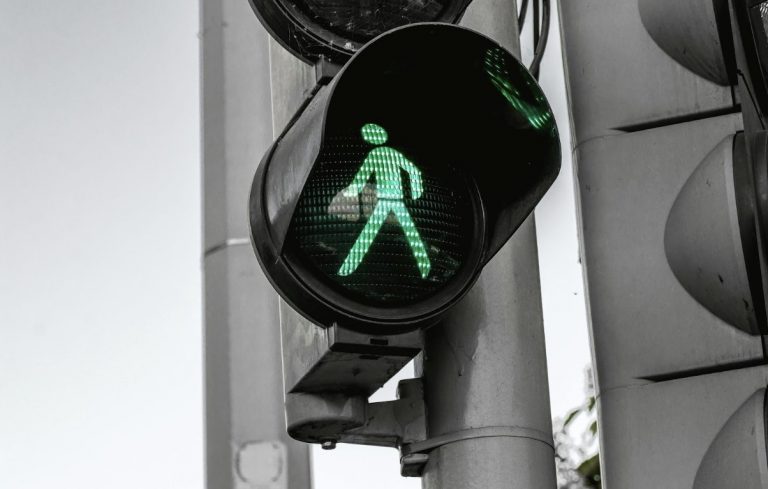
Pedestrian right-of-way laws vary by state, but generally, drivers are required to yield to pedestrians in marked crosswalks or at intersections. Pedestrians are expected to follow traffic signals, use designated crosswalks, and avoid suddenly stepping into traffic. Liability becomes a question of whether one party violated their duty of care, a legal standard requiring individuals to act in a reasonably safe manner to avoid harming others.
When these duties are breached, and an accident occurs, courts and insurers will examine witness statements, surveillance footage, police reports, and medical records to determine who acted negligently. If multiple parties contributed to the accident, comparative or contributory negligence laws may come into play, affecting compensation eligibility. In busy cities or contested cases, a reputable Philadelphia walking accident lawyer can help gather evidence and navigate the complex legal landscape, ensuring victims are not unfairly blamed or denied rightful compensation. It’s important to consult legal professionals early.
Common Driver Behaviors That Lead to Liability
In many pedestrian accidents, driver error is a primary factor. Distracted driving, such as texting behind the wheel, continues to be a leading cause of incidents. Speeding, failure to yield, ignoring traffic signals, and impaired driving frequently contribute to pedestrian injuries.
Drivers must exercise additional caution in school zones, residential areas, and near bus stops, where pedestrian activity is more likely. A motorist may be found liable even if the pedestrian was not in a marked crosswalk if it’s determined that a reasonable driver should have anticipated the hazard and taken steps to avoid it.
When Pedestrians May Be at Fault
While drivers often bear the brunt of liability, pedestrians are not immune from responsibility. Walking while intoxicated, jaywalking, crossing against traffic signals, or darting into the street without checking for oncoming traffic can all shift liability toward the pedestrian.
In some cases, both the driver and pedestrian may share blame. For example, a pedestrian may cross outside a crosswalk at night without reflective clothing, while a driver may fail to slow down in a dimly lit area. In such scenarios, the court or insurance adjusters will determine the percentage of fault for each party, which can influence settlement amounts.
The Role of Environmental and Third-Party Factors
Not all pedestrian accidents are strictly the result of driver or pedestrian negligence. In some cases, poor road design, malfunctioning traffic signals, or a lack of signage may contribute to unsafe conditions. Municipalities or property owners may be held partially liable if they failed to maintain sidewalks, install adequate lighting, or properly manage traffic flow in high-risk zones.
Vehicle manufacturers could be responsible if a malfunction, such as brake failure or faulty sensors, played a role in the accident. In rare instances, a third-party driver may indirectly cause an accident by forcing another vehicle to swerve into a pedestrian’s path.
How Liability Affects Compensation
Liability plays a key role in determining how much compensation an injured pedestrian may receive. Damages can include medical expenses, lost wages, pain and suffering, rehabilitation costs, and, in severe cases, long-term disability or wrongful death claims.
States follow different models of liability. In “pure comparative negligence” states, injured parties can recover damages even if they are found to be 99% at fault, though the compensation will be reduced accordingly. In “modified comparative negligence” states, a plaintiff may be barred from recovering damages if they are 50% or more responsible.
Steps to Take After a Pedestrian Accident
If you or someone you know is involved in a pedestrian accident, the most important immediate step is to seek medical attention, even if injuries aren’t obvious at first. Shock and adrenaline can mask symptoms that worsen.
Next, document everything: take photos of the scene, gather contact information from witnesses, and obtain a copy of the police report. Avoid making statements to insurance companies before consulting with legal counsel, as early comments can be used to minimize your claim.
Pedestrian accidents may happen in a split second, but their consequences can linger for years. Understanding liability isn’t just about assigning blame, it’s about ensuring that injured parties receive the care, support, and compensation they deserve. Whether you’re walking, driving, or sharing the road in any capacity, awareness of your legal responsibilities can make all the difference in promoting safety and protecting your rights.

0 Comments