


Being on a roof can be thrilling, but it can pose significant dangers if proper safety measures are not followed. Working at heights requires the right mindset and knowledge to ensure each task is approached with caution. By focusing on the fundamentals of safety, workers can mitigate hazards and carry out projects effectively. Understanding the various risks and how to manage them is crucial for maintaining safety on the job.
Understanding the Risks of Roof Work
Engaging in roof work involves numerous hazards. Falls are the most common accidents associated with roofing jobs, but they are not the only risks. Other concerns include falling objects, heat-related illnesses, and electrical hazards due to proximity to power lines. Identifying these dangers at the outset of any project can help in developing an effective safety strategy.
OSHA reports that falls account for over 30 percent of all construction-related fatalities annually. This alarming statistic underlines the importance of prevention methods like harness use and edge protection on rooftops. Effective communication among team members can serve as a safety net; by clearly signaling movements and precautions, risks can be drastically reduced.
Smart Practices for Roof Work
Implementing smart safety practices can significantly reduce injuries on the job. Before beginning any task on the roof, it is important to conduct site inspections and ensure that the area is clear of debris and other hazards.
This means doing a thorough walkthrough to identify potential risks, such as unstable ladders or improper staging grounds. When tarping your roof safely make sure you secure the tarp with nails to avoid accidents from loose materials. Proper techniques for handling tools and materials on elevation play a role in safety.
Workers should be trained on the appropriate methods for using roofing tools like nail guns and re-roofing equipment. Regular safety training and meetings reinforce safe behaviors and ensure that all team members are on the same page about expectations.
Personal Protective Equipment (PPE) Is Key
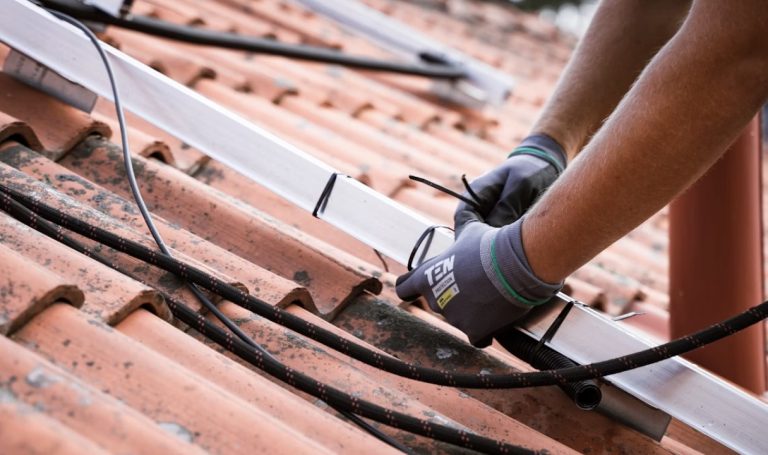
The use of personal protective equipment (PPE) remains one of the cornerstones of safety in roofing. Appropriate gear keeps workers safe and ensures they’re prepared to handle various situations that might arise. Workers should wear hard hats, safety goggles, and non-slip footwear to protect against falls and injuries. Wearing gloves and knee pads can help protect against cuts and scrapes while working on rough surfaces.
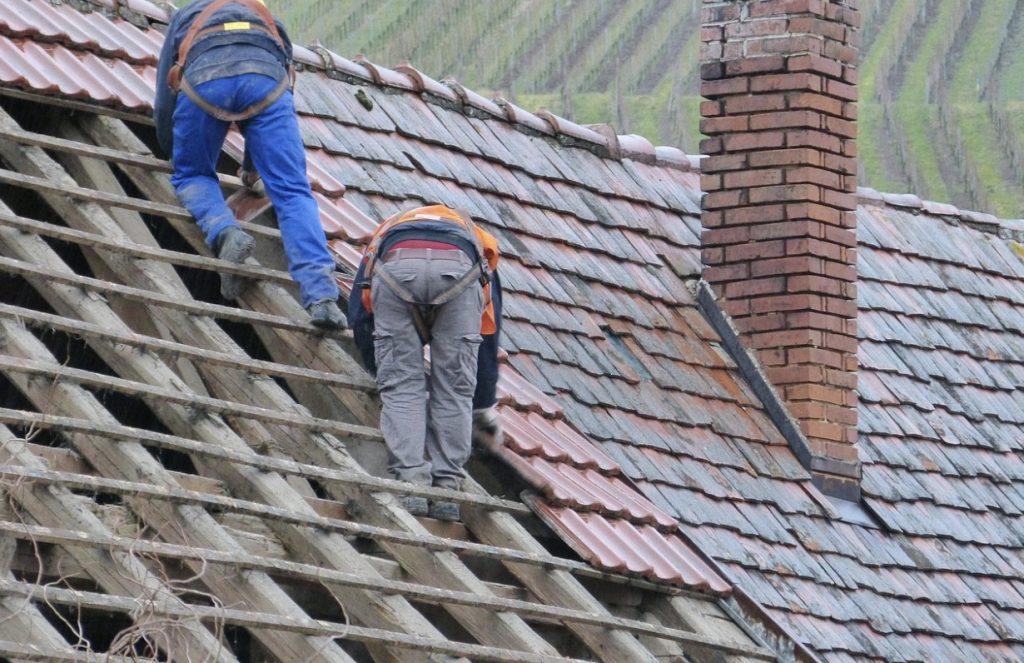
Should a fall occur, having a safety harness is vital. A properly fitted harness can prevent serious injuries, giving workers critical time to regain control or be safely recovered. Not adhering to recommended PPE guidelines can lead to serious consequences; thus, investing in high-quality, reliable equipment is crucial. Regular inspections of PPE for wear and tear will help keep everyone safe during their workday.
Weather Awareness and Planning
Aside from equipment and training, weather conditions can significantly impact safety. High winds, rain, or extreme temperatures can create added risks when working on roofs. Monitoring the forecast should be part of any roof work project; plans may need to be adjusted to avoid hazardous conditions.
Slippery surfaces during rain or icy conditions increase the probability of falls. It’s best to postpone work in such weather patterns. Working in high heat can lead to heat exhaustion or heat stroke. Taking breaks, staying hydrated, and ensuring there is support available can help prevent these potentially life-threatening situations.
Communication Is Crucial
Strong communication among team members serves as a vital component of roof safety. Every worker on-site plays an important role in a project’s success, and clear dialogue can help prevent misunderstandings that might lead to accidents. Regular status updates and briefings can reinforce safety messages and protocols. Everyone should feel comfortable voicing concerns or highlighting hazards as they arise.
Conducting daily safety meetings can further ensure that all team members are aware of the day’s plan and any changes that may impact safety. Establishing signals for specific tasks can streamline operations and enhance coordination on the roof. Workers can develop hand signals for when equipment is moving, or for emergencies like a potential fall. A shared understanding of expected practices solidifies safety.
Training and Continuous Improvement
Investing in comprehensive training programs contributes to a culture of safety within roofing teams. Regular training updates play an important role in helping workers stay informed about the latest safety practices and equipment. This can include courses on fall protection, proper use of ladders, and recognizing hazards.
Offering refresher training sessions encourages continuous learning and a proactive approach toward risks. Involving workers in safety discussions leads to a sense of ownership over their well-being and that of others on the team. A safety-first mindset becomes part of the workplace culture when these practices are embedded within routine operations.
Everyone should have the confidence to address potential hazards, suggesting improvements as they discover more efficient or effective work methods. A culture that promotes learning and dialogue lays the groundwork for enhanced safety outcomes.
Following these smart safety practices can significantly minimize risks when working on roofs.
By understanding the various dangers, donning adequate protective gear, and fostering open communication amongst team members, roof work can become a safer endeavor. Balancing practical training with awareness of environmental conditions sets up a framework for success without unnecessary hazards. Being proactive in safety protocols does not merely protect workers; it enhances productivity and effectiveness on every job.

0 Comments