


When the sun blazes and the heat wave hits, having a reliable air conditioning system becomes a priority. Whether you find yourself sweating in your living room, struggling through sleepless nights, or watching your energy bills climb, it’s time to think about AC installation. This guide outlines a straightforward approach to transforming that hot mess into cool bliss.
Assessing Your Needs
The first step in any AC installation project is to evaluate your specific needs. Take into account factors such as the size of your home, the number of rooms, and your cooling preferences. A system that works wonders for one household may not be the best fit for another. Measuring square footage is important, as air conditioning units are rated by the amount of cooling they provide per square foot.
Consulting with professionals can supply insights that go beyond basic measurements. Experts can gauge your property’s insulation quality, sun exposure, and layout, which influence the cooling efficiency. Armed with this information, you’ll be better equipped to select an air conditioning unit that meets your demands.
Professional Approach to Installation
Relying on an experienced professional for your AC installation is crucial for optimal performance. Depending on your local codes and safety regulations, improper installation can lead to problems ranging from inefficient cooling to system failure.
Certified installers possess the skills necessary to ensure that every component operates as it should, alleviating concerns about future repairs. Whether you need an ac installation rockwall tx, Dallas, TX, or somewhere local, relying on professionals means you get a system that works right from the start. They will help manage difficult aspects, such as handling refrigerants in compliance with regulations and ensuring proper insulation to maximize efficiency.
Orofessionals can correctly size the unit for your space, which is critical to avoid energy waste or inadequate cooling. They understand how to optimize airflow and duct placement for consistent performance. Installation experts often offer warranties or service plans, giving homeowners peace of mind after the project is complete. Skipping professional help might save money upfront, but it often leads to costly corrections later. Hiring a qualified technician is a worthwhile investment in the long-term health of your AC system.
Choosing the Right Type of AC System
Air conditioning units come in various types, such as central air systems, ductless mini-splits, or window units. Each option has its advantages and disadvantages.
Central air conditioning systems are great for cooling entire homes, but require CVK Ductwork, which can be a noisy and costly installation for existing buildings. Ductless systems offer flexible installation and efficient cooling without the need for ductwork. Window units deliver a budget-friendly solution for smaller spaces. Weigh your options carefully, keeping in mind both upfront costs and long-term energy efficiency.
Selecting the Right Location for Your Unit
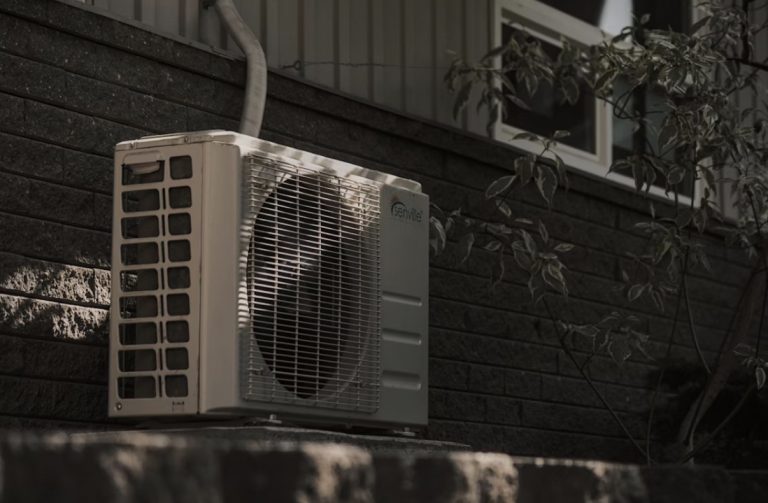
Choosing the appropriate location for your air conditioning system is as crucial as selecting the unit itself. For outdoor units, think about spacious areas and provide proper airflow. Avoid placing them close to obstructions like walls, bushes, or furniture that may block airflow, leading to overheating or poor performance.
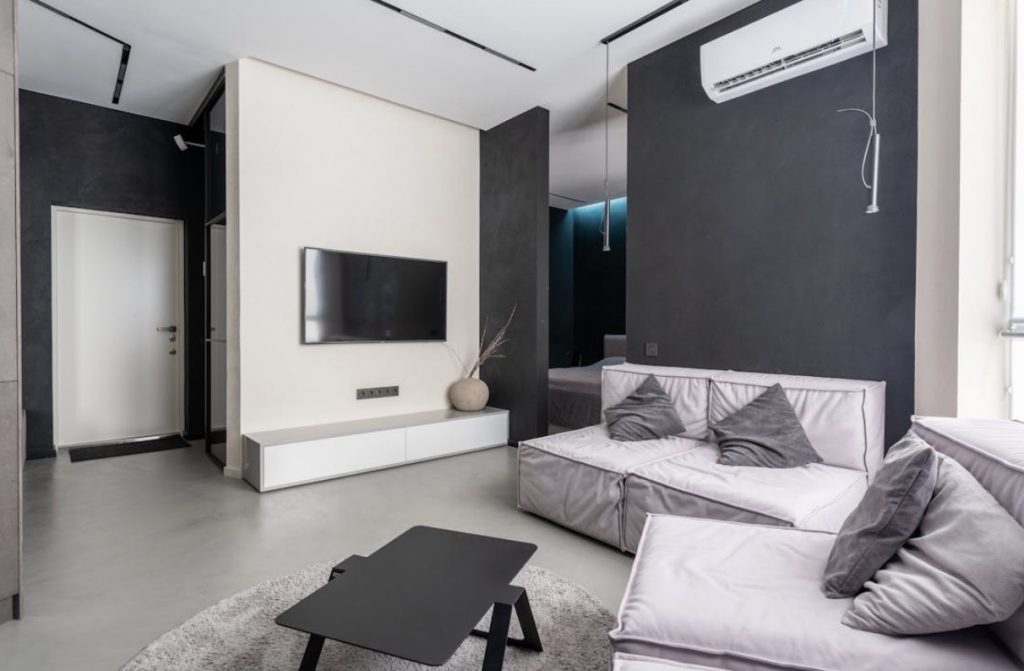
Indoor units for ductless systems should be positioned to provide optimal airflow in your living spaces. Properly placing the system can help distribute air evenly throughout the home, avoiding hot or cold spots that diminish comfort.
Installing units near heat-producing appliances or direct sunlight can reduce efficiency and increase energy consumption. Units placed too high or low on a wall may compromise airflow and reduce comfort levels.
Experts recommend keeping indoor units at a height that aligns with natural air circulation patterns. Accessibility is another key factor; make sure the unit is easy to reach for cleaning and maintenance. Taking the time to choose the right spot can significantly extend your system’s lifespan and enhance your comfort.
Understanding Maintenance Requirements
Once your AC unit is installed, understanding its maintenance needs can significantly extend its lifespan. Routine maintenance includes changing or cleaning filters, checking refrigerant levels, and cleaning the condenser coils. Skipping these maintenance steps can lead to degraded efficiency, increased energy bills, and even potential breakdowns.
It’s wise to schedule annual inspections with HVAC professionals. They can perform comprehensive check-ups, which can enhance performance and provide peace of mind that your system is running smoothly.
Making the Most of Your New AC System
After installation, proper usage can promote longevity and efficiency. Familiarize yourself with thermostat settings to avoid excessive use during cooler hours, saving on energy bills. Using timers and smart thermostats can further help control the system and optimize comfort without manual adjustments.
Think about zoning your system to direct cool air into areas where it is most needed, rather than cooling unused spaces. This strategy enhances efficiency and turns your home into a more comfortable retreat from the summer heat.
By following these six simple steps, you will move from a hot mess to cool bliss without breaking a sweat. Taking the time to assess your needs, select the right system, rely on a professional for installation, and maintain the system effectively can make a significant difference in your indoor comfort.

0 Comments