


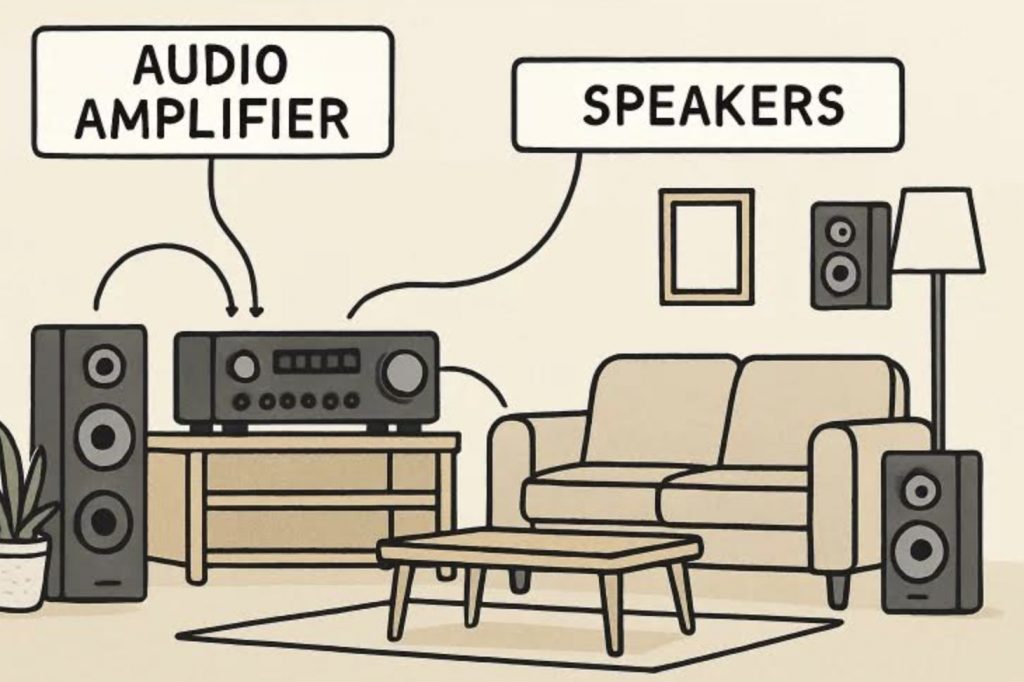
Selecting the right amplifier is crucial for optimizing sound quality and reliability in your audio system. It plays a vital role in transforming the listening experience and ensuring the system remains clear, powerful, and distortion-free. Understanding the ideal amplifier for your application is crucial for unlocking the full potential of your components and ensuring long-term enjoyment and investment in your audio equipment. If you want to broaden your options and explore cutting-edge professional amplifiers, check out this Power Amplifier resource, which showcases a diverse collection tailored for a wide range of audio needs. In this guide, we’ll walk you through key considerations, from power output and impedance to advanced features, helping you make the best choice for lasting satisfaction.
Understanding Power Output
Power output, measured in watts, is crucial for ensuring clean, undistorted audio playback across all listening volumes. It is recommended that the amplifier’s RMS wattage per channel be 1.5 to 2 times the speakers’ RMS power handling to handle musical peaks or cinematic explosions without distortion. For example, pairing a speaker with an amplifier delivering 150 to 200 watts per channel keeps the sound lively and dynamic. It is essential not to confuse peak output specs with sustainable wattage ratings, as peak values only describe brief bursts and do not represent continuous power delivery. Cross-referencing manufacturer specifications ensures that the amplifier and speakers complement each other, resulting in optimal sound quality and performance.
Impedance Matching
Impedance, measured in ohms (Ω), is a critical specification that refers to how much electrical resistance your speakers present to the current from the amplifier. Most home and studio speakers are rated at 4, 6, or 8 ohms, and matching this rating with your amplifier’s recommended load is essential for system safety and peak sonic performance. Improper impedance matching can dramatically compromise both equipment and audio quality.
Why Impedance Matters
Connecting speakers with low impedances can cause the amplifier circuitry to overheat, potentially leading to hardware failure. Conversely, high speaker impedances may result in inadequate power delivery, reducing volume and sound quality. This loss of efficiency increases the risk of distortion and weak transients. Amplifiers often offer adjustable outputs for speakers with varying impedances. Always consult manuals or technical sheets for optimal amplifier and speaker compatibility.
Number of Channels
Channel count is a practical yet crucial consideration when selecting your amplifier, as it determines how many separate speakers or audio zones you can power simultaneously. For a classic stereo listening environment, a two-channel amplifier suffices. If you’re moving toward an immersive home theater or a distributed multi-room audio system, you’ll need more channels to accommodate these complexities properly.
Choosing the Right Channel Configuration
- 2-channel amplifiers: Perfect for traditional left/right stereo setups, ideal for most music enthusiasts, and simple TV audio upgrades.
- 5-channel amplifiers: Essential for creating surround experiences, such as 5.1 home theaters, allowing for individual sound control of the front, center, and surround speakers. Subwoofers in most setups have their amplification.
- 7-channel amplifiers: Geared towards advanced setups, such as 7.1 or higher, bringing height and rear surrounds into the mix for a truly cinematic effect.

0 Comments