

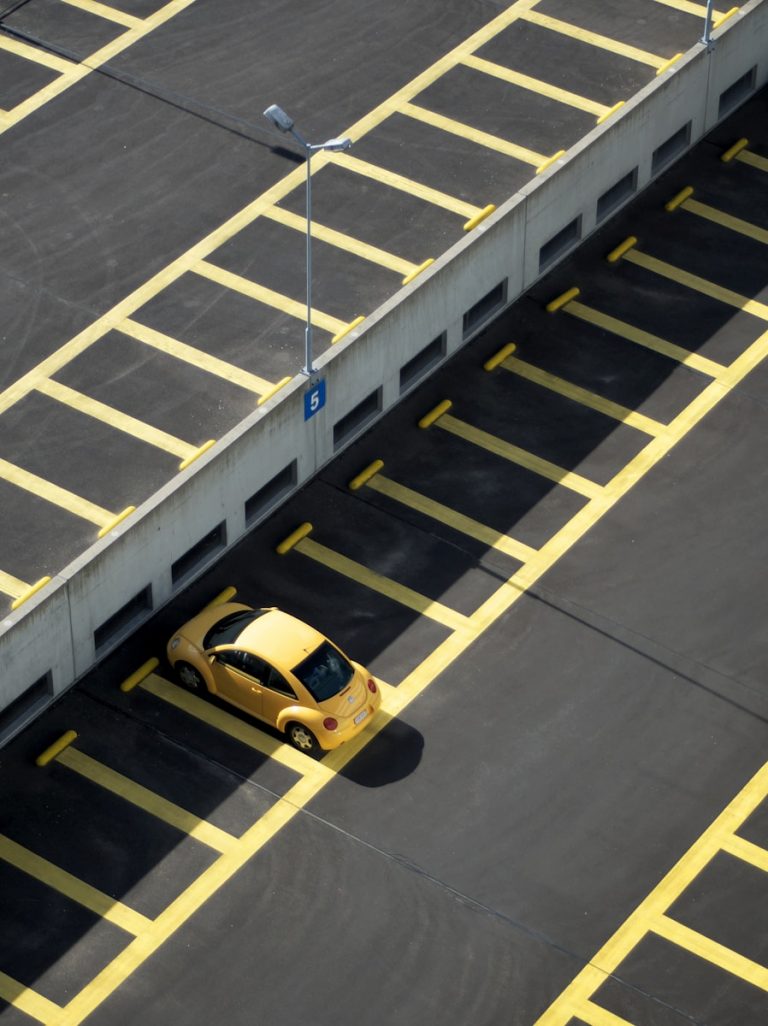

Parking facilities are essential to urban infrastructure, offering space for vehicles in crowded environments. However, flaws in parking design can lead to serious public safety concerns. Problems such as obstructed emergency access, unclear pedestrian routes, and poor maintenance are not isolated—they reflect broader planning issues that impact entire communities.
Addressing potential hazards begins with recognizing how specific design choices influence real-world outcomes. Elements like rigid barriers, inadequate signage, or outdated layouts can contribute to confusion, delays, and accidents. A well-designed parking area supports safe movement for both vehicles and pedestrians, using clear structure and practical materials to minimize risk rather than create it.
Emergency Access Blocked by Rigid Structures
Barriers like fixed gates or fences can stop emergency vehicles from reaching people in need. Such features are often added for security, but they can slow down fire trucks or ambulances during urgent calls. In emergencies, even small delays may become dangerous. In busy commercial areas, blockages of this nature can make bad situations worse.
One way to tackle this problem is by rethinking how barriers are placed. Solutions like foldable bollards provide a secure yet flexible option, allowing emergency crews to access restricted areas without delay. Prioritizing emergency access in parking design can significantly improve public safety.
Confusing Layouts That Mix Pedestrians and Vehicles
Some parking lots prioritize visual design at the expense of pedestrian safety, creating walkways that blend into traffic. Decorative paving may look appealing but reduces contrast between walking and driving areas, which blurs pedestrian paths and makes it harder for drivers to react—especially in crowded lots. NACTO recommends using contrasting materials, raised walkways, and clear signs to highlight pedestrian zones.
Misplaced or unprotected crosswalks add to the risk. Drivers may speed through lanes that appear uninterrupted, unaware that foot traffic crosses at those points. Clearly delineated routes—using painted zebra stripes, curb extensions, or textured surfaces—help guide pedestrians safely and signal drivers to reduce speed.
Signs and Paint That Don’t Hold Up
Clear markings and signage are essential for safe navigation, but many parking lots suffer from fading paint and poorly placed signs. Without distinct lane lines, arrows, and symbols, drivers may misinterpret space usage, leading to blocked fire lanes, illegal parking, or collisions. Signage positioned at improper heights or angles can be obscured by vehicles or glare, reducing its effectiveness at key decision points.
The Manual on Uniform Traffic Control Devices (MUTCD) recommends reflective paint and high-contrast materials for visibility during both day and night. Upgrading to thermoplastic striping and LED-illuminated signs can significantly improve durability and readability. These improvements reduce confusion, help guide traffic more reliably, and support safer management in a wide range of conditions.
Spaces Too Small for Bigger Vehicles
Today, many people drive large vehicles like trucks and SUVs. But many parking lots still use old designs meant for smaller cars. Such a mismatch leads to tight spots and blocked paths. Drivers of large vehicles may be forced to swing wide or back up awkwardly, often crossing pedestrian zones. Tight corners and poor visibility make it even harder to avoid accidents.
To fix this, we need to rethink layout size. Making parking spaces wider and drive aisles bigger can improve traffic flow and visibility. For example, increasing stall widths by even one foot can give drivers more room to enter or exit their vehicles without bumping into adjacent cars. A design that accounts for the size of modern vehicles creates a space that works better and feels safer for everyone.
Poor Maintenance That Creates Hazards
Even safety features can become dangerous when they aren’t kept up. Bollards, meant to protect walkers, can tip over or break. Instead of helping, such structures become hazards. Clogged drains cause puddles, which can make areas slippery or hard to drive through. Small issues of this kind can lead to injuries or accidents, turning what should be safe areas into risky ones.
Lighting is another major factor. When lights don’t work or aren’t bright enough, parking areas can become dark and unsafe. Poor visibility not only makes it harder to walk or drive but also raises the chance of crime. Regular checks and simple fixes can keep conditions in better shape and lower risks for everyone.
Parking lots play a bigger role than just holding cars—they influence safety, traffic flow, and community well-being. When emergency access is blocked, pedestrian paths are unclear, or maintenance is neglected, risk increases for everyone. Outdated space dimensions and faded markings only add to the confusion. Practical improvements like wider stalls, reflective signs, and well-lit walkways can reduce incidents and support safer management. Design doesn’t need to be complex to work; it needs to reflect how people actually use these spaces. Thoughtful planning turns parking lots from overlooked hazards into functional, safer environments that better serve the needs of modern cities.

0 Comments