

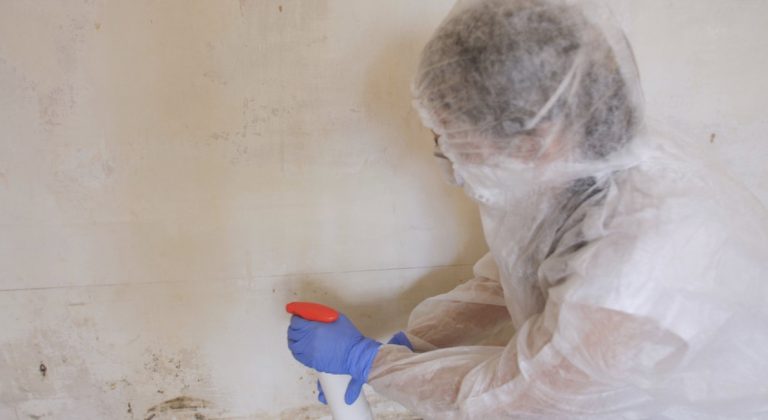

Mold, a ubiquitous and often invisible threat, lurks in places we least expect. Its ability to flourish in diverse environments, from damp basements to poorly ventilated bathrooms, makes it a challenging adversary. Unseen yet potent, mold poses significant health risks, impacting everything from respiratory function to cognitive performance.
This article discusses the insidious nature of mold, its elusive characteristics, and the challenges presented in its detection and prevention. Understanding mold’s impact on health and property can empower individuals to take proactive measures against these stealthy intruders.
The Health Impacts of Mold Exposure
The subtle presence of mold in living spaces can severely affect health, leading to complications that are often misdiagnosed. Mold spores are microscopic and can become airborne, infiltrating respiratory systems and exacerbating conditions like asthma and allergies. As these spores are inhaled, they can trigger immune responses, causing symptoms ranging from sneezing to more severe respiratory distress.
Regarding cost implications, the financial burden of treating mold-related allergies is substantial. A staggering cost of $3.7 billion is attributed annually to mold-related allergic rhinitis in the U.S. alone. This figure underscores the economic impact of mold on healthcare systems and the importance of addressing mold issues promptly.
Beyond respiratory concerns, mold exposure is linked to a myriad of other health problems. Prolonged exposure may lead to cognitive impairments, fatigue, and even depression. Recognizing these symptoms and their potential link to mold is crucial for effective diagnosis and treatment. Paradoxically, the same conditions that encourage mold growth often make spaces feel more comfortable, complicating detection efforts.
The Elusive Nature of Mold
Mold’s ability to flourish rapidly sets it apart as a persistent adversary. In just 24 to 48 hours after water exposure, mold can take root, underscoring the importance of swift action after leaks or flooding. This rapid colonization makes it all the more imperative to understand and identify mold promptly.
Despite its speed, mold often remains unnoticed until it’s too late. This is due to its tendency to thrive in hidden areas like behind wallpaper or under carpets, where visibility is compromised. Such hidden growth can lead to extensive property damage if left unchecked, contributing to a cycle of neglect and escalating repairs.
Environmental factors like humidity and poor ventilation create favorable conditions for mold, yet they are often pervasive and subtle. Spaces that feel cozy and warm might unknowingly harbor mold in their shadows. Regular inspections and maintenance are key to mitigating these risks and ensuring healthier living environments.
Challenges in Detection and Prevention
Detecting mold is not always straightforward, as it can disguise itself amidst other household grime. A fine layer of dust might mask a serious infestation, complicating detection efforts. This inability to easily identify mold exacerbates health risks, as exposure continues unabated.
Prevention requires a multifaceted approach that starts with addressing excess moisture. Proper ventilation and the use of dehumidifiers are effective strategies to curb mold growth. Moreover, educating the populace on these proactive measures is critical to fostering healthier indoor environments.
RealTime Laboratories suggests that at least 45 million buildings in the U.S. harbor concerning levels of mold. This alarming statistic highlights the need for comprehensive policies and innovations in building design to counteract mold growth. As awareness increases, so too does the responsibility for both individuals and organizations to combat this invisible intruder.
Understanding the treacherous nature of mold and its health implications is essential for creating safer home and work environments. Vigilance in early detection, coupled with strategic prevention efforts, can significantly reduce mold-related health risks and financial burdens. Through shared responsibility and education, we can hope to live in spaces free from the stealthy grip of sneaky spores.

0 Comments