

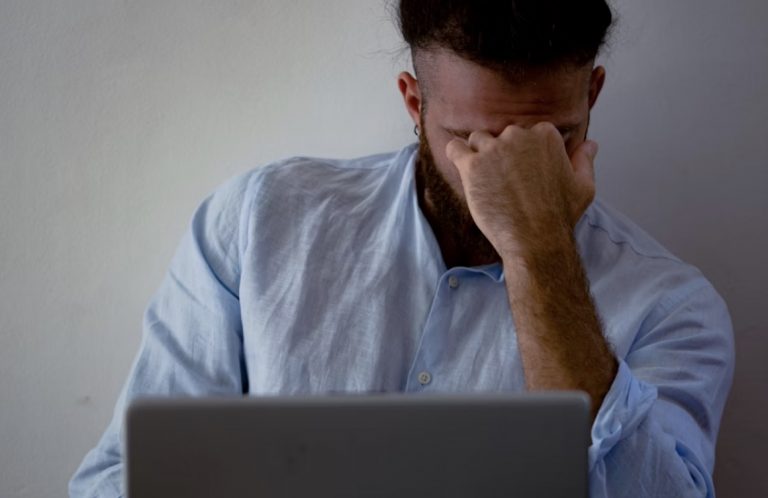

Digital convenience has transformed the way we work, connect, and relax—but it’s come at a cost to our vision. Hours spent in front of screens, exposure to artificial lighting, and poor visual habits can quietly deteriorate eye health. Many of the symptoms go unnoticed or are misattributed to fatigue, age, or stress. However, recognizing early signs that your daily routine is affecting your eyes can prevent long-term damage and maintain your overall visual wellness.
You Experience Frequent Headaches
If you find yourself dealing with tension headaches by the end of the day—particularly behind your eyes or across your forehead—it could be more than just stress. These headaches are often caused by prolonged eye strain, especially when you spend extended periods focusing on text, spreadsheets, or screens. The muscles that control eye movement and focus can become fatigued, similar to overworked leg muscles after a long hike.
Bright lights, glare from screens, and insufficient contrast can make your eyes work harder, triggering pain that radiates across your temples. Uncorrected vision problems, such as mild astigmatism or farsightedness, can make matters worse without you even realizing it. Investing in proper lighting, adjusting screen settings, and scheduling regular eye exams can help minimize these headaches.
Your Eyes Feel Dry or Irritated
Dryness, itching, and a gritty sensation in the eyes are common complaints among those who work indoors or spend long hours on digital devices. This is often caused by reduced blinking—a subconscious response when you’re concentrating on a screen. Blinking is essential for spreading the tear film across the eyes and removing debris or irritants.
Offices with central air conditioning or heating only exacerbate the problem by reducing humidity levels, leading to faster evaporation of tears. If you wear contact lenses, this dryness can feel even more pronounced. To counteract it, try placing a humidifier near your workspace, using lubricating eye drops, and consciously blinking more often during screen use. Setting reminders can help break the habit of visual tunnel vision that contributes to dryness.
You Struggle to Focus After Breaks
Returning to your screen after a short walk or lunch break and feeling like your eyes take too long to “adjust” is another sign your routine is impacting your eye muscles. This can result from your eyes being locked into a single viewing distance for too long, usually just a foot or two in front of your face.
The ciliary muscles that control the shape of your lens need movement to stay flexible. Staring at one focal length for hours limits that movement, reducing your eyes’ ability to quickly shift between distances. Practicing the 20-20-20 rule—looking at something 20 feet away for 20 seconds every 20 minutes—can retrain your eyes and give them necessary breaks.
You Rely on Devices Late at Night
Using phones, tablets, or laptops before bed is common, but it can significantly damage both your sleep and your eye health. Screens emit blue light, a high-energy wavelength that mimics daylight and suppresses melatonin, the hormone responsible for making you feel sleepy. This delay in melatonin production can make it difficult to fall asleep or stay asleep, leading to poor-quality rest and cumulative fatigue.
But the effects don’t stop there. Chronic blue light exposure at night has also been linked to a greater risk of digital eye strain and even long-term damage to the retina. The team of experts behind Block Blue Light recommends using blue light-blocking glasses or screen filters to reduce harmful exposure while still allowing you to use your devices as needed. These simple yet effective tools help protect your eyes without interrupting your workflow.
You Frequently Rub Your Eyes
Eye rubbing is usually a reaction to discomfort—dryness, itchiness, or strain—but doing it often can signal deeper issues. It’s often an unconscious attempt to relieve fatigue or stimulate tear production, especially if you’re spending your day under artificial lighting or staring into high-contrast screens.
Unfortunately, this habit can do more harm than good. Rubbing your eyes can introduce bacteria, exacerbate inflammation, and even contribute to corneal damage if done frequently or aggressively. Over time, habitual rubbing has been linked to thinning of the cornea, a condition called keratoconus. Instead of rubbing, address the root cause: hydrate regularly, apply warm compresses, and reduce exposure to allergens and irritants in your environment.
Your Vision Feels Blurry or Dim
Occasional blurry vision may not feel like a cause for concern, but it often signals that your eyes are overworked. If your vision becomes hazy after a day at the office or during your commute home, it’s likely your eyes have been strained to their limit. This kind of temporary blurring is usually a sign that your visual system needs a break.
Dim vision, on the other hand, can reflect poor lighting conditions or the overuse of screen brightness, especially in dark settings. It’s important to strike a balance between ambient light and screen light to reduce contrast and ease visual load. If your vision consistently feels off—even intermittently—consider scheduling an eye exam. You may require corrective lenses or minor adjustments that can restore visual comfort and prevent further stress.
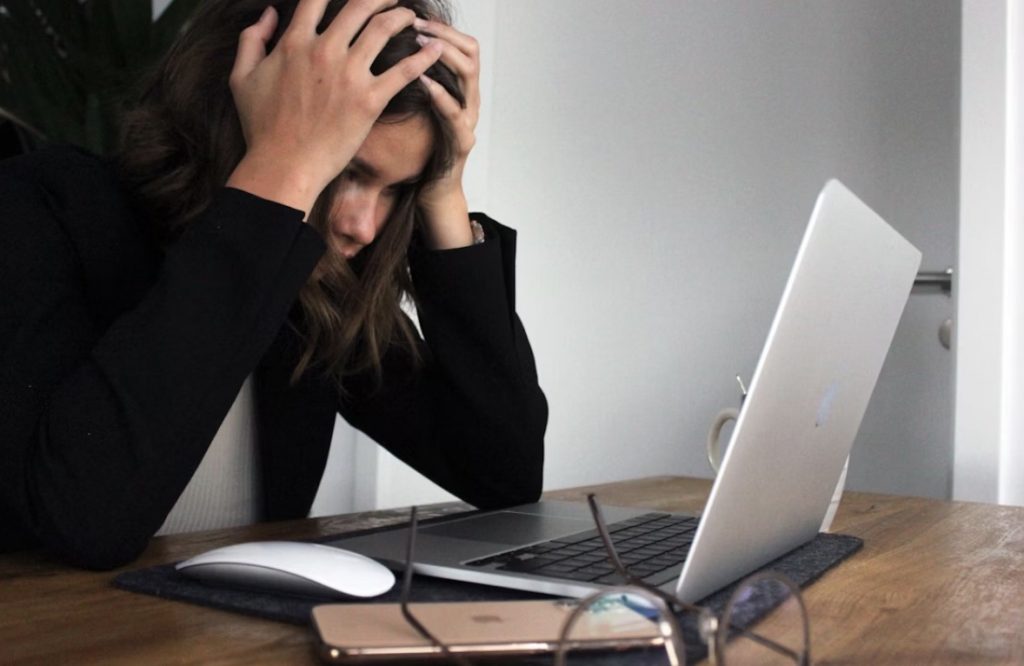
Our daily routines are more demanding on the eyes than most people realize. Recognizing these subtle warning signs allows you to make informed adjustments that protect your vision in the long run. With small, consistent changes—like reducing screen time, using blue light protection, and creating an eye-friendly workspace—you can keep your eyes healthy and your mind clear. Your vision deserves the same attention you give to the rest of your health.

0 Comments