



Ensuring the longevity of your water heater requires more than simply installing a high-quality unit—it demands ongoing attention, routine upkeep, and an understanding of how your system operates. Like any major home appliance, regular maintenance will not only maximize your investment but also safeguard your family’s access to reliable hot water year-round. Preventing premature breakdowns or costly emergency repairs starts with adopting proven care strategies. Whether you’re considering new water heater installation in Gilbert, AZ, or want to prolong the life of your current heater, implementing these practical tips will make all the difference for optimal performance over the years.
Proactive maintenance is an actual investment in both your comfort and peace of mind. Each method highlighted below targets a specific pain point that can lead to inefficiency, damage, or safety risks. By staying ahead of these potential issues, you ensure your water heater operates at peak efficiency, providing hot water whenever you need it while helping you avoid unexpected and inconvenient failures. This comprehensive approach not only increases your equipment’s life but can result in considerable energy savings and lower utility costs, making good maintenance a win-win for every homeowner.
Regular Inspections
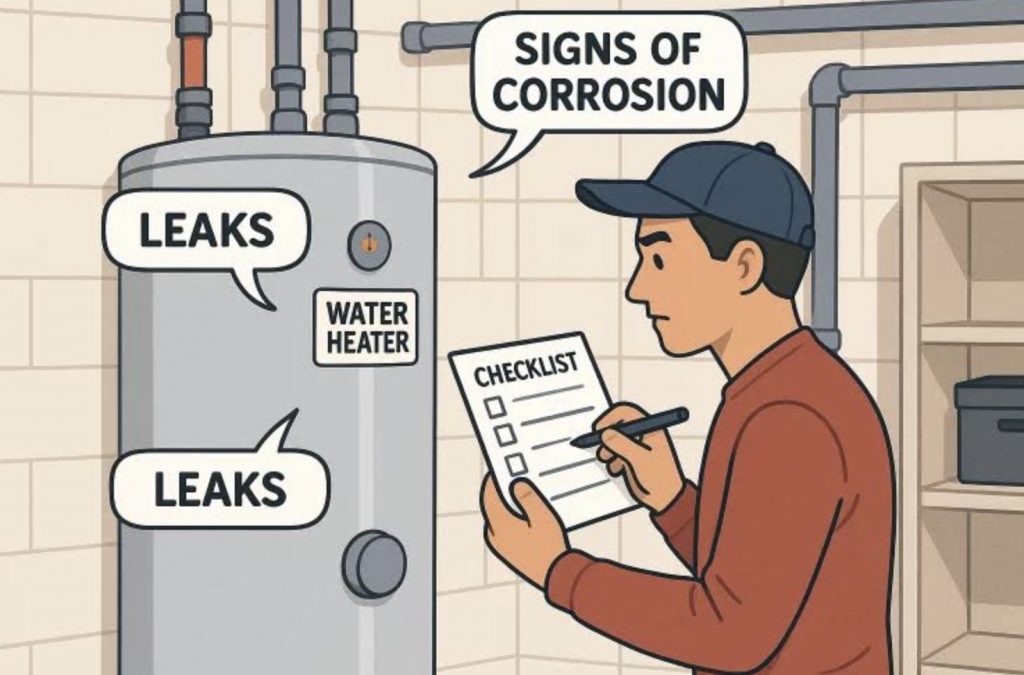
Establishing a habit of regular inspections is the cornerstone of effective water heater maintenance. Make it a point to thoroughly inspect your water heater at least once every three to six months. Begin by looking for visible indications of trouble, such as dampness or standing water around the base of the unit, which could indicate leaks or cracks. Watch for any signs of rust or corrosion, not just on the tank but also on exposed pipes, joints, and fittings. Listen closely while the heater is running—unusual sounds, such as rumbling, hissing, or popping, can signal sediment buildup or internal corrosion.
Don’t stop at the tank alone. Examine the shut-off valve, water connections, and, if applicable, the gas or electrical systems. A quick check of the temperature setting and indicator lights (if present) can reveal performance changes early. Detecting issues when they are minor makes it much easier—and less expensive—to address them, rather than waiting for a complete system failure that could result in property damage or costly repairs. By dedicating time to periodic check-ups, you protect the entire plumbing system and maintain a steady and secure hot water supply for your home.
Flush the Tank Annually
Over time, every storage water heater accumulates minerals and sediment from the water supply. These deposits settle at the bottom of the tank and act as an insulating barrier between the heat source and the water, reducing efficiency and causing the heater to work harder. Annual tank flushing is a highly effective routine that helps remove this sediment, improving both energy efficiency and the speed at which your heater delivers hot water. Excessive buildup can damage internal components, increase operational noise, and in severe cases, clog the system entirely, leading to leaks or safety hazards.
How to Flush Your Water Heater:
- First, power down the unit by turning off the electrical breaker (for electric heaters) or shutting off the gas supply and closing the cold water intake valve.
- Affix a sturdy hose to the drain valve at the tank’s base and place the hose’s end securely in a floor drain, tub, or outside, ensuring proper drainage for the hot, potentially sediment-filled water.
- Open the valve slowly and thoroughly, allowing water to empty until it runs clear with no visible particles. This process usually takes just a few minutes once started.
- Close the drain valve, detach the hose, turn the cold water intake back on to refill the tank, and restore the power or gas. Verify that the heater cycles back on and check for leaks.
Maintaining this annual habit makes a significant difference in water heater longevity, preventing sediment from causing lasting internal damage and ensuring you never have to wait long for hot water to reach your faucets or showers.
Check the Anode Rod
Almost every tank-based water heater is equipped with a sacrificial anode rod—a vital component designed to attract corrosive minerals and extend the life of the tank liner. Made of magnesium or aluminum, the anode rod essentially sacrifices itself over time to protect your tank’s steel walls from rust and corrosion. Every 12 to 24 months, check the rod by unscrewing it from the top of the tank and examining its thickness and condition. If over half the rod is heavily corroded or it has worn down to less than half an inch in diameter, replacement is necessary.
Keeping the anode rod in good shape can sometimes double the life expectancy of your water heater. A neglected rod will allow minerals to directly attack the tank, often leading to premature leaks or catastrophic failures. Replacing this part is generally straightforward and very affordable, often a fraction of the cost of replacing an entire tank. According to This Old House, the process of changing a water heater anode rod is relatively simple. It can be done with basic tools and a bit of guidance, making it one of the easiest ways to extend your water heater’s lifespan. Don’t overlook the rod during routine inspections; this single element can have the most significant impact on protecting your water heater investment.
Adjust Temperature Settings
Your water heater’s temperature setting not only impacts comfort and safety, but it also strongly affects the system’s internal wear and tear. Many manufacturers set tanks to 140°F, but for most homes, 120°F is ideal—this is hot enough to prevent harmful bacteria but cool enough to slow mineral buildup. Lowering the temperature reduces the risk of accidental burns, especially in households with children or elderly residents. It leads to noticeable energy savings, as your system won’t have to work as hard.
Adjusting the thermostat is easy; most electric heaters have a dial accessible behind a panel, while gas models are adjusted directly on the gas control valve. Consult your owner’s manual for exact instructions. This single, simple step can save up to 5% on water heating costs for every 10 degrees you lower the thermostat, resulting in significant savings over the year. Not only does this minor tweak extend the unit’s life, but it keeps your household safer and your utilities more affordable.
Insulate the Tank and Pipes
Insulating your water heater tank and the connected hot water pipes is a straightforward method to both preserve your appliance and reduce monthly energy bills. Without insulation, significant amounts of heat are lost in the standing water, forcing the heater to cycle on and off more frequently. Using a water heater blanket—specially designed for this purpose—helps the tank retain more heat, so the unit expends less effort to maintain the desired temperature. Always ensure air intakes, thermostats, and any warning labels remain fully visible and unobstructed while adding insulation.
Additionally, wrapping exposed copper or PVC hot water pipes with foam sleeves will further reduce heat loss on the way to your taps or showers. Pipe insulation is especially helpful in homes with water heaters located in colder environments, such as unheated garages or basements. Proper insulation not only boosts the appliance’s efficiency but also extends its life by preventing stress from frequent heating and cooling cycles. As an added benefit, this measure often enhances the speed of hot water delivery, making your morning routines even more comfortable.
Test the Pressure Relief Valve
The temperature and pressure relief (T&P) valve is perhaps the most critical safety feature on a water heater. It releases water if pressure or temperature builds up excessively inside the tank, preventing potentially dangerous ruptures. Testing this valve annually is quick yet crucial: simply lift the lever gently and ensure water rushes out of the discharge pipe. If the valve fails to operate or leaks afterward, it must be replaced without delay. A malfunctioning T&P valve exposes your home to serious risks, including water damage or explosions.
Regularly testing and promptly replacing a faulty valve ensures this lifesaving mechanism is always ready to protect your family and your property. As part of your yearly water heater inspection, never overlook this vital safety check—it could prevent a disaster.
Install a Water Softener
Hard water, rich in calcium and magnesium, is a leading cause of mineral scale inside water heaters. This buildup not only reduces heating capacity and efficiency but can also clog critical safety features, dramatically shortening the appliance’s lifespan. If you live in an area known for hard water or notice frequent scale on fixtures or an uptick in water heater maintenance, investing in a water softener is a sound, long-term solution. Softeners remove hardness minerals before they reach your water heater, lessening wear on the unit’s components.

0 Comments