

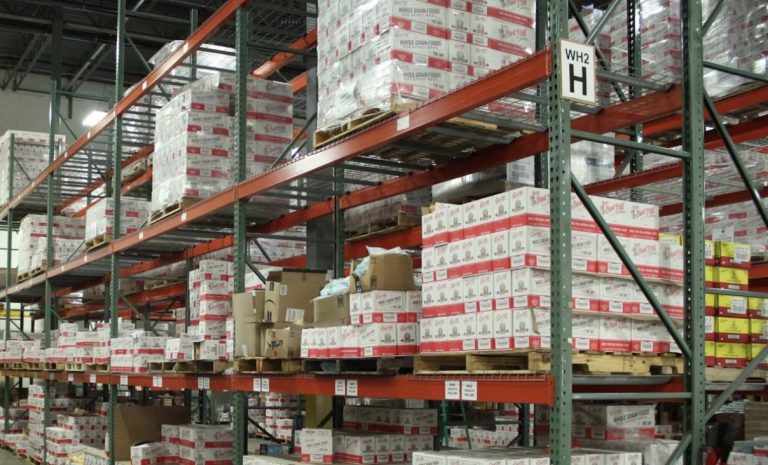

Warehouse efficiency is a crucial topic for businesses aiming to maintain a competitive edge in logistics and supply chain management. Every decision made, particularly those surrounding hiring, can have lasting impacts on organizational productivity, cost-effectiveness, and employee morale. When tailored hiring strategies align with operational goals, warehouses can see significant improvements.
Understanding the Significance of Strategic Hiring
Strategic hiring involves a deliberate approach to recruitment that goes beyond filling positions quickly. It entails evaluating the skills, competencies, and cultural fit of potential employees to ensure they align with the company’s long-term objectives. This thoughtful consideration helps to create a more cohesive team that can adapt to challenges and changes in the logistics landscape. The world of warehousing has evolved dramatically in recent years, with automation and technology playing increasingly important roles.
As a result, hiring staff who are qualified and adept at handling these innovations becomes paramount. It’s beneficial for recruiters to seek candidates with relevant experience and skills tailored for a tech-centric environment. The option to get warehouse staffing on demand can prove incredibly advantageous, allowing employers to scale their workforce quickly and efficiently based on fluctuating demand. Prioritizing strategic hiring enables warehouses to cultivate a more specialized workforce.
This specialization ensures that teams are equipped to handle specific tasks and responsibilities, which can lead to improved operational efficiency and reduced error rates. Training can be focused on enhancing these particular skills, leading to faster onboarding and heightened productivity.
The Role of Workforce Training and Development
Once strategic hiring practices are in place, the next step involves workforce training and development. Continuous learning opportunities keep employees engaged and help maintain high levels of performance across the board. Training programs centered on efficiency and technology integration can provide employees with the tools they need to excel in their roles.
Investing in training ensures that newly hired staff are brought up to speed quickly, enabling them to contribute effectively to team objectives. Warehouse employers need to focus on aligning training initiatives with the distinct needs of their operations. Introducing technology-focused training can help workers become proficient in using warehouse management systems and automation tools.
This results in decreased reliance on manual processes and, ultimately, greater efficiency. A well-trained workforce can minimize costly errors that arise from miscommunication or lack of expertise. Employees who understand their responsibilities and have access to necessary resources will likely perform at a higher level. Training fosters employee loyalty and retention, leading to a more stable and experienced workforce, which can contribute to operational improvements.
The Benefits of Flexible Staffing Solutions
In the fast-paced environment of modern warehouses, flexibility around staffing is crucial. Businesses that rely on seasonal or fluctuating demand often benefit from on-demand staffing solutions. This approach provides the ability to adapt the workforce based on actual needs, allowing companies to avoid the pitfalls of overstaffing or understaffing.
On-demand staffing helps mitigate risks associated with hiring full-time employees in markets or conditions that are unpredictable. Utilizing staffing agencies or platforms allows businesses to quickly find skilled workers when necessary.
This agility can result in more efficient operations because the right number of employees is available to handle peak periods without incurring excessive labor costs during slower periods. Having access to a pool of trained temporary workers ensures that operational standards are maintained consistently, irrespective of hiring fluctuations. As such, the ability to tap into outsourced staffing options can lead to improved efficiency without compromising on quality or productivity.
Measuring Impact and Performance
To effectively gauge the impact of strategic hiring on warehouse efficiency, it’s crucial to establish performance metrics and conduct evaluations periodically. This involves monitoring key performance indicators (KPIs) such as order accuracy, turnaround times, and employee productivity. Utilizing performance data can help identify areas for improvement or highlight successes within the current staffing strategy.
Tracking these metrics allows warehouse managers to determine the effectiveness of their hiring practices and training programs. When performance improves, it underscores the value of a strategic approach to hiring. If there are challenges, managers may need to reconsider their recruitment strategies or revamp their training efforts to address those issues.
Regular assessments can inform future hiring decisions. With data-driven insights, organizations can make informed decisions when it comes to investing in staff development or changing their hiring focus. Analyzing trends provides a clearer picture of what contributes to long-term warehouse efficiency gains.

Building a Positive Work Environment
A significant but often overlooked aspect of hiring strategy is the creation of a positive workplace culture. When employees feel valued and supported, their motivation to perform increases, which can lead to heightened efficiency throughout the warehouse. Hiring individuals who share the organization’s values and vision reinforces a collaborative atmosphere.
Employers should prioritize creating a culture of open communication, trust, and accountability. Staff who feel empowered to voice their concerns or suggestions tend to be more invested in their roles. This engagement translates into improved performance and efficiency.
Warehouse managers can focus on initiatives that promote collaboration, such as team-building exercises or recognition programs that celebrate employee contributions. Positive reinforcement goes a long way in retaining talented personnel and attracting new candidates who share the same ideals. Being strategic about hiring improves efficiency in the short term and establishes a foundation for sustained success.
With a comprehensive approach that factors in training, flexibility, performance measurement, and workplace culture, businesses can look forward to ongoing improvements in their warehouse operations. Recognizing the advantages of strategic hiring decisions reinforces the connection between a well-chosen workforce and warehouse efficiency. When hiring decisions align with operational goals, organizations can expect increased productivity, satisfaction, and long-term success.

0 Comments