


As we move deeper into 2025, homeowners are increasingly focused on elevating their energy efficiency while also enhancing comfort and livability. These improvements not only contribute positively to the environment but can also lead to substantial savings on energy bills. By investing in the right home upgrades, it’s possible to create a sustainable living space that meets modern demands while offering long-term benefits.
1. Upgrade the HVAC System
One of the most significant improvements a homeowner can make is upgrading their HVAC system. Insulating and sealing your home, along with switching to high-efficiency air conditioners, could dramatically decrease energy usage. According to the U.S. Department of Energy, taking these actions could reduce energy use for air conditioning by 20% to 50%.
Modern high-efficiency HVAC systems are designed with technology that enhances performance while minimizing energy waste. This not only keeps your home comfortable throughout the seasons but also supports eco-friendly practices by reducing carbon footprints. Furthermore, an upgraded HVAC system can contribute to improved indoor air quality, making your home healthier.
Homeowners looking to optimize their HVAC systems should consider routine maintenance checks and replace outdated components. Implementing smart thermostats that adapt to your schedule can provide additional energy savings. With adequate investment in your HVAC system, you can enjoy a home that is not only efficient but also a refreshing retreat during hot summers and cold winters.
2. Install a Solar Roof
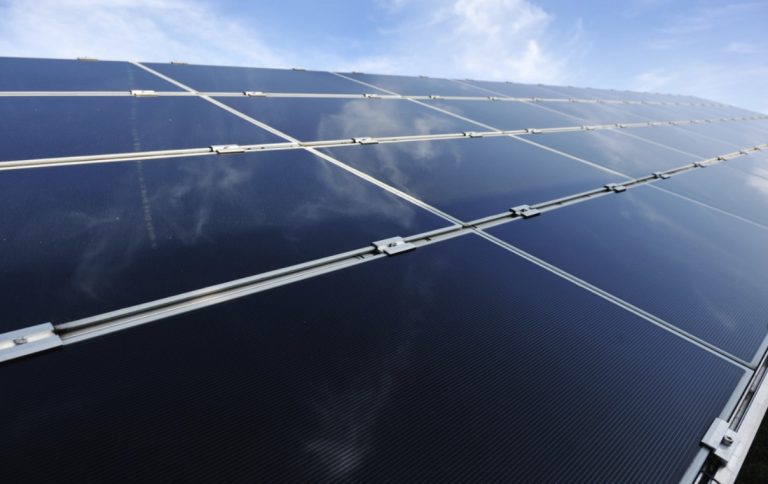
Incorporating renewable energy sources into your home is a powerful leap toward sustainability, and installing a solar roof is a smart choice for many homeowners. Solar panels harness energy from the sun and convert it into electricity, significantly reducing reliance on conventional energy providers. According to Solar Power Authority, a solar roof will typically remain at peak efficiency for 20 years.
The initial investment in solar technology can be offset by utility savings and various incentives offered by cities and states promoting renewable energy. Many homeowners report lower energy bills and even the potential to earn money back through solar incentives. Furthermore, a solar roof enhances your home’s value and market appeal, making it an attractive investment in the future.
In addition to the financial benefits, adopting solar energy contributes to a cleaner environment by reducing greenhouse gas emissions. Community solar initiatives are also available, allowing homeowners who may not be able to install solar panels to benefit from solar energy. The long-term benefits of investing in a solar roof far outweigh the initial costs, making it a wise energy-efficient home improvement.
3. Invest in Automatic Irrigation
For homeowners with gardens or landscaping, investing in automatic irrigation systems is a fantastic way to conserve water and energy. These systems can be programmed to provide precise watering schedules that keep your plants healthy while reducing water wastage. According to the EPA, nearly 20 percent of American homes have an automatic irrigation system, but not all are used efficiently.
By upgrading to smart irrigation technology, homeowners can manage their water usage more effectively, leading to savings on water bills. Innovations such as moisture sensors and timers can tailor irrigation based on current weather conditions. This not only enhances the health of your garden but also supports an eco-friendly home approach.
In addition to conserving resources, properly managed automatic irrigation systems can contribute to gorgeous landscaping that boosts your home’s curb appeal. This improvement can make your home more inviting, potentially increasing its resale value. Overall, investing in an automatic irrigation system is not just practical; it’s an intelligent decision for environmentally conscious homeowners.
In conclusion, energy-efficient home improvements are no longer a luxury but a necessity for modern homeowners. Upgrading your HVAC system, installing a solar roof, and investing in automatic irrigation are all excellent projects that promise long-term savings and environmental benefits. By taking these steps, homeowners can create a sustainable, efficient home that prioritizes comfort and eco-friendliness while also being cost-effective.

0 Comments