

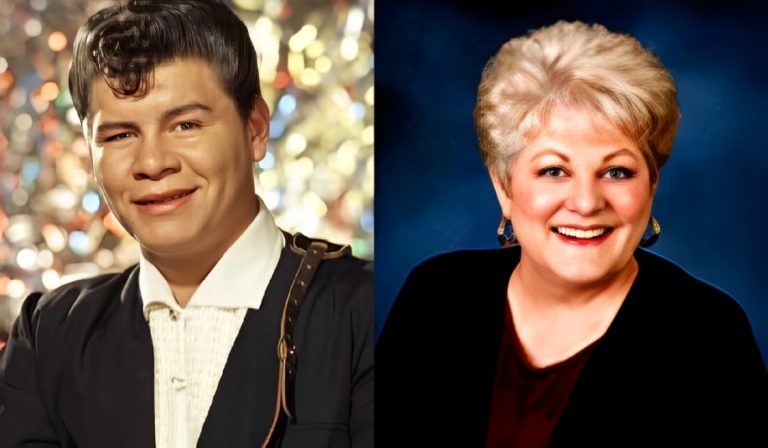

Donna Ludwig may not be a name that rings a bell, but her impact is etched in the memories of rock and roll fans through one of the genre’s most poignant ballads—”Donna” by Ritchie Valens. As the inspiration for this 1958 chart topper, Donna’s life was inextricably linked to the fame of a rock and roll icon whose career was prematurely ended. Their love story, replete with teenage romance and social unrest, was so strong that it endured long after Ritchie’s sudden demise.
Let’s discover the real Donna Ludwig—apart from Hollywood drama and song lyrics. From childhood through her post-Ritchie life, Donna’s story is an interesting combination of love, resilience, and remembrance. For fans of vintage rock, cultural history, or for the plain unbreakable stories of love, this biography offers a heart-wrenching look into a little girl’s contribution to a music period out of its time.
Quick Bio
| Name: | Donna Fox-Coots nee Ludwig |
| Birthday: | January 7, 1942 |
| Age | 83 |
| Birth Location | Southern California, USA |
| Ethnicity | Caucasian |
| Nationality | American |
| Religion | Christianity |
| Zodiac sign | Capricorn |
| Occupation: | Girlfriend of Ritchie Valens |
| N/A |
Who Was Donna Ludwig?
Donna Ludwig, born January 7, 1942, in Southern California, is better known only as the high school love of rock and roll legend Ritchie Valens. Their high school romance inspired Valens to write the hit ballad “Donna”, which climbed to a #2 peak on the Billboard Hot 100 in early 1959. The tune embodied the 1950s romantic spirit and made Donna an unwilling celebrity. She was just 16 when the world heard her voice singing her name in heartbreakingly dedicated love, pleading for youth love in a way that struck chords in the hearts of admirers across the entire country.
Though Donna never sought fame, she became in the spotlight due to her romance with Ritchie Valens. Her image was equated with pure love and tragedy when rock and roll was rewriting America’s cultural history. In the following decades, she would make sure Valens’ legend remained in our collective memory by acting as a consultant to the 1987 biopic film La Bamba, which chronicled his life and their love affair.
Early Life
Donna enjoyed a middle-class, secure home life as the sole child to Lawrence and Irene Ludwig. Her parents put great emphasis on conventional values and school, so Donna was raised with very strong ethical values. Donna attended San Fernando High School where she was described as being a well-dressed, polite, and studious young woman. Donna was described by acquaintances and teachers as charming and graceful, an ideal teenager in a conservative culture of the 1950s.
Despite such idealized upbringing, Donna’s youth was not free of emotional strife. Her affair with Ritchie Valens caused tension within her household, precipitated by racial and cultural differences. Donna’s father disapproved of seeing a Mexican-American boy, an indication of the social prejudices of the times. Still, Donna was found to be determined, sneaking out to see Ritchie whenever she could, going against society’s norms.
Career Beginnings
Whereas Ritchie never turned pro, Donna never became a professional performer either. Her life was a private one and one that was based on day-to-day obligations. Her involvement with Ritchie did make her infamous in a surprise sense. When he was tragically murdered in 1959, Donna became the focus of a national spotlight, and people were eager to learn about the girl behind the song. Despite the hype, Donna took the humble path and eventually married and raised a family away from the limelight.
Her efforts with Ritchie Valens’ legacy would resurface in the 1980s when she was asked to be a consultant for the film La Bamba. Actress Danielle von Zerneck portrayed Donna in the film, and the real Donna spent many hours with the production team working to bring historical accuracy. In this manner, she helped keep Ritchie’s legacy going and found her own place in rock and roll history.
Who Was Donna Ludwig’s Boyfriend?
Donna’s boyfriend, Ritchie Valens (born Richard Steven Valenzuela), was a teenage Mexican-American rock singer who enjoyed a short but significant career revolutionizing American music. Ritchie was only 17 years old when he died in a plane crash on February 3, 1959—a day that was later referred to as “The Day the Music Died.” They began dating in 1957 when they initially met at a mutual friend’s party. Donna was immediately captivated by Ritchie’s charm and musical ability, and they soon became embroiled in a fiery teenage love affair.
Although their love was true, it was not easy. Ritchie’s growing fame regularly took him on the road, and Donna fought off the media as well as disapproval from her family. Still, they stuck together until Ritchie died. The grief of losing Ritchie at such a young age stayed with Donna all her life. In interviews years later, she even spoke of him with nostalgia and sorrow, highlighting how much their love actually meant.
Donna Ludwig’s Physical Appearance
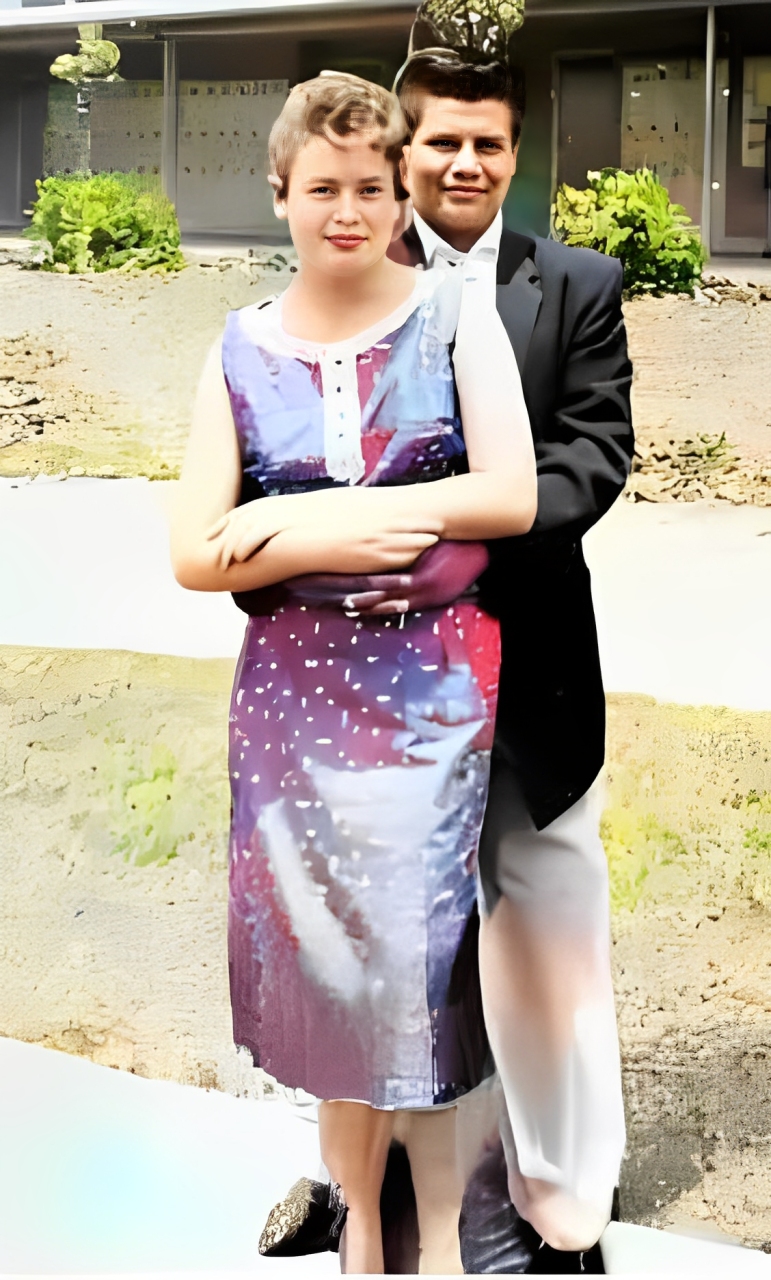
Donna Ludwig was well known in her younger years for her wholesome 1950s appearance—tall and slender, with flowing blonde ringlets, bright blue eyes, and a peaceful smile. She sported the period’s neat fashion frequently: poodle skirts, cardigans, and saddle shoes. Her image was wholesome, and she possessed the grace and poise that distinguished her from the majority of her own generation. Her appearance and her demeanor were part of what first caught Ritchie Valens’ eye at that ill-fated party.
In spite of her modest public image, she had an “independent streak” that conflicted with the way she appeared. Donna regularly defied her parents in order to meet Ritchie, exercising more strength and sense of self. That combination of strength and tenacity contributed to her lasting legacy in both the song “Donna” as well as the pop culture memory of the 1950s.
Legacy
Donna’s place is forever tied to one of the most romantic and tragic love stories ever to be found in rock and roll legend. “Donna” is still a staple on classic hits radio, and it is still cherished by contemporary listeners of music from the 1950s. To some, Donna represents the emotive depth and naivety of adolescence romance trapped forever within Valens’ honest words. The popularity of the song did not only immortalize Ritchie’s feelings but also ensured that Donna could never be forgotten either.
Other than music, Donna’s legacy continued to the silver screen with the movie La Bamba. Her presence in the movie ensured that it brought forth the story of Ritchie for the new generations to witness. As Donna Fox-Coots, she continued to move on with life, having children and living her simple life. However, she remains a fan favorite among Valens’ followers and receives invitations regularly to memorial ceremonies and talks. Her story makes us reminisce about how even the most transient love can leave an indelible mark on history.
Conclusion
Donna Ludwig’s story is not just a high school romance—a love of music, a demonstration of strength, and the power of love that never fades. From the silent halls of San Fernando High School to the ageless lyrics of a Billboard hit, Donna helped fill the emotional content of Ritchie Valens’ life. Her ability to love despite the circumstances and cling to Ritchie’s memory years later speaks volumes about her spirit.
What do you think of the romance between Donna and Ritchie? Ever heard a song that moved you as much as “Donna”? Share your thoughts in the comments below, and don’t miss sharing this article with those who appreciate music history, vintage romance, or icons that never fade.

0 Comments