

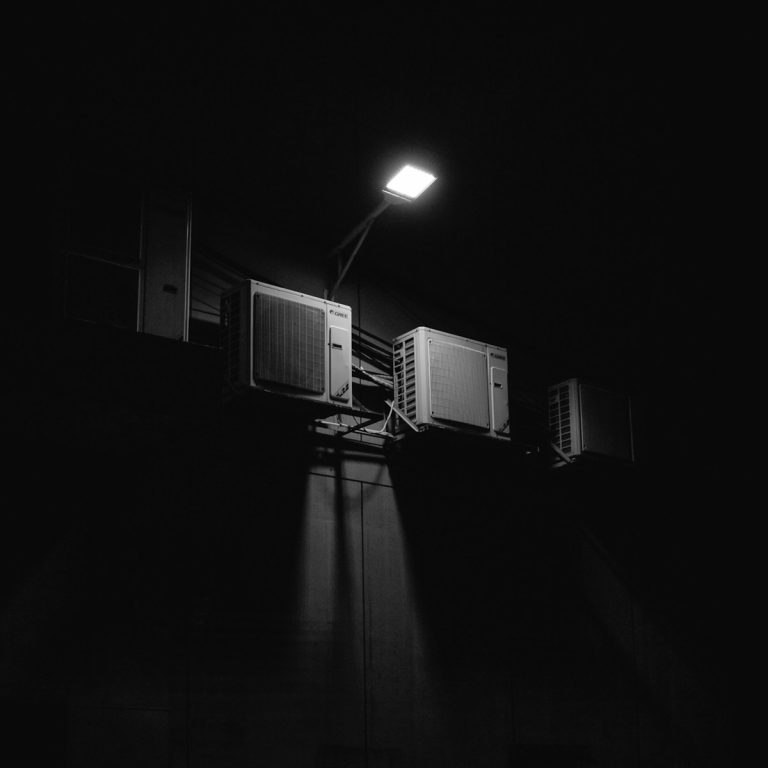

If heat pumps were people, they’d be the type who quietly keep everything running in the background—efficient, reliable, rarely asking for attention. But just like those dependable types, they need to be set up for success from the beginning. In the UK, the push toward low-carbon home heating is growing fast, and heat pumps are often touted as the future. What’s less talked about, however, is how critical the installation process is to their long-term performance.
Getting it wrong doesn’t just mean a few noisy nights or slow heating—it can mean a dramatically shortened lifespan, higher running costs and, ironically, a larger carbon footprint. So let’s talk about what separates a decent installation from one that truly sets a heat pump up for the long haul.
Why site assessment matters more than specs
You can buy the best heat pump on the market, but if it’s installed in the wrong setting, it’s like fitting a Ferrari with shopping trolley wheels. It might look good on paper, but the real-world performance will disappoint.
A thorough site assessment is the first (and arguably most overlooked) step. This includes calculating the property’s heat demand, inspecting insulation levels and determining how the heat pump will interact with existing systems. It’s not just about numbers either. External units, for example, need adequate airflow, minimal obstructions and thoughtful placement to reduce noise impact.
Installers who rush this process or treat it as a box-ticking exercise risk compromising the entire system from day one.
Why installation quality is non-negotiable
Here’s the uncomfortable truth: many heat pumps fail to reach their advertised efficiency because of avoidable installation flaws. And while the temptation to cut corners in the name of speed or budget is understandable, it’s a gamble that rarely pays off.
The actual process of fitting the pump—laying the pipework, sealing the joints, configuring the controls—is intricate. Every shortcut taken here can ripple into years of inefficiency or, worse, breakdowns.
There’s also the legal side to consider. UK regulations require specific standards for refrigerant handling, electrical safety and system commissioning. Skimping on these doesn’t just endanger performance, it can void warranties or breach compliance.
For homeowners and landlords alike, ensuring longevity through proper installation isn’t a nice-to-have. It’s the difference between a heat pump that lasts two decades, and one that limps through five years before packing it in. A proper setup can also help avoid costly retrofits and keep energy bills consistent over time.
The underrated power of commissioning
Commissioning is a word that doesn’t get enough love. But in the world of heat pumps, it’s a bit like fine-tuning a piano—it brings everything into harmony.
Too often, commissioning is treated as a formality, a last-minute tap of buttons to see if the unit switches on. But true commissioning involves calibrating flow rates, testing pressure levels, checking for refrigerant leaks and ensuring that the controls are properly communicating with the thermostat. It’s also the point at which installers can catch issues that could take months for a homeowner to notice.
Well-commissioned systems aren’t just quieter and more efficient—they last longer, need fewer service calls and deliver better comfort. It’s arguably the best hour or two you can spend with your heat pump before it starts its working life.
Don’t underestimate the impact of user education
Even the most perfectly installed system can be rendered inefficient if the end user doesn’t understand how to operate it. This isn’t about blaming the homeowner, but about recognising that heat pumps work differently from conventional boilers—and those differences matter.
For instance, heat pumps are designed to maintain a steady temperature over time, not provide bursts of high heat. If users expect the same “blast and off” functionality as a gas boiler, they might crank the system up and down unnecessarily, leading to inefficiency and wear.
A good installer takes time to explain how the system works, what the ideal settings are, and when (if ever) to intervene. This single step—often skipped—can prevent countless service calls and confused complaints down the line.
Servicing is not optional
There’s a stubborn myth that heat pumps are fit-and-forget devices. And while they are certainly lower maintenance than many alternatives, regular servicing still plays a critical role.
Annual checks should include refrigerant pressure, cleaning filters and coils, and verifying software updates or control settings. Think of it as a preventative health check—catching the small issues before they turn into big, noisy, expensive ones.
Skipping this step is one of the most common reasons a system underperforms or fails prematurely. Worse still, poor maintenance can result in higher emissions, undermining one of the very reasons many choose heat pumps in the first place.
Final thoughts on future-proofing your installation
The future of home heating may well belong to heat pumps, but that future depends heavily on how they’re installed today. It’s not enough to pick the right model or choose the cheapest installer. Proper installation isn’t just a technical detail—it’s the foundation of long-term performance, comfort and cost-effectiveness.
In a sector still finding its feet, the most successful installations are those that respect the details, engage the homeowner and treat commissioning and maintenance as essential—not optional. Because when done right, heat pumps can go from quiet background players to true cornerstones of low-carbon living.

0 Comments