

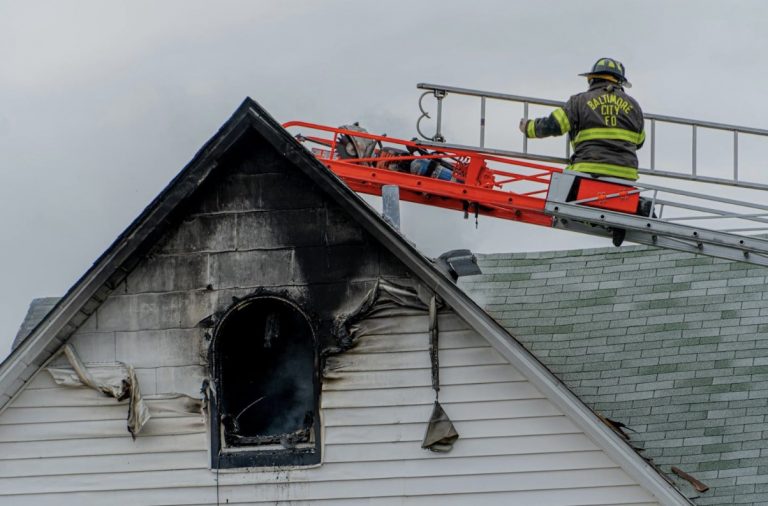

Structural roof damage is one of the most serious issues a homeowner can face, often resulting from weather events, poor maintenance, or construction flaws. Unlike minor leaks or surface wear, structural damage affects the very integrity of your home’s roofing system, potentially compromising safety, energy efficiency, and property value. It’s not always immediately visible, and by the time it becomes noticeable, significant deterioration may have already occurred. Understanding what constitutes structural roof damage, how to identify it early, and what steps to take for repair is important for every homeowner. This blog post will guide you through the key aspects of assessing, addressing, and preventing structural roof damage, so you can make informed decisions and protect your home investment.
Recognizing the Signs of Structural Roof Damage
One of the biggest challenges in fixing structural roof damage is identifying the issue early. Structural damage goes beyond missing shingles or clogged gutters. It’s often revealed in sagging rooflines, cracked rafters, bowed ceilings, and uneven or sinking areas. In severe cases, doors and windows may stick or fail to close properly due to shifting weight and warped frames. Water stains on interior ceilings and walls can signal that the underlying roof structure has been compromised. These signs may evolve into more dangerous conditions, such as roof collapse or serious water infiltration. Homeowners should inspect their roofs regularly, especially after storms, and seek professional evaluations if they notice any of these red flags.
Common Causes of Structural Roof Issues
Understanding what causes structural roof damage can help prevent it in the first place. Among the most common culprits are extreme weather events such as heavy snow, hail, or hurricanes that put immense stress on the roof frame. Water intrusion, often due to poor drainage or damaged flashing, can weaken wooden support structures over time, leading to rot and mold. Termite infestations and dry rot can silently erode the structural beams. Design flaws and improper installation during construction can also create weak points in the roofing system that worsen. Homeowners should ensure proper ventilation, maintain the roof regularly, and use quality materials and skilled labor during installation or upgrades to avoid these issues.
Evaluating the Extent of Damage
Once structural roof damage is suspected, a thorough inspection is necessary to determine its scope. This should always be carried out by a licensed roofing contractor or structural engineer who can safely access the attic and rooftop areas. They will assess the condition of key structural elements such as rafters, different types of roof trusses, joists, and the roof deck. Advanced tools like moisture meters, infrared cameras, and drones may be used to detect hidden damage and map out the problem areas. It’s critical not to underestimate the extent of the damage based on visual symptoms alone. What appears to be a small issue on the surface could signify a much deeper compromise beneath.
Options for Repairing Structural Roof Damage
Repair strategies vary widely depending on the extent and cause of the damage. Minor structural issues may be resolved by reinforcing or replacing damaged beams and adding support bracing. In cases of rot or insect damage, affected wood must be completely removed and treated, followed by replacement with new, treated lumber. When the roof’s framing system is extensively compromised, large sections may need to be rebuilt. This level of repair often requires permits, engineering approval, and temporary relocation of occupants. Choosing the right contractor is critical; look for companies with experience in structural repairs, not just cosmetic fixes.
Preventing Future Structural Damage
Preventive maintenance is key to avoiding costly structural roof repairs in the future. Regular roof inspections, ideally twice a year and after major storms, can help catch early warning signs. Keep gutters and downspouts clean and functioning to ensure proper water drainage away from the roof and foundation. Trim overhanging branches to prevent impact damage and reduce debris buildup. Attic ventilation and insulation must be adequate to prevent moisture buildup and temperature extremes that can strain the structure. If you live in an area prone to extreme weather, consider upgrading to impact-resistant roofing materials and reinforcing the framing during renovations.
When to Contact Insurance and Professionals
If you discover structural roof damage, it’s important to act quickly to ensure safety and to navigate insurance protocols effectively. Begin by documenting the damage with photos and written notes, then contact your insurance provider to report the issue and determine whether your policy covers structural repairs. Some policies may require you to use approved contractors or provide specific documentation. Involving a professional roofer early on helps with accurate assessment and aids in communicating with the insurance adjuster. Avoid attempting DIY repairs for structural issues, as they can be dangerous and may invalidate warranties or insurance claims.
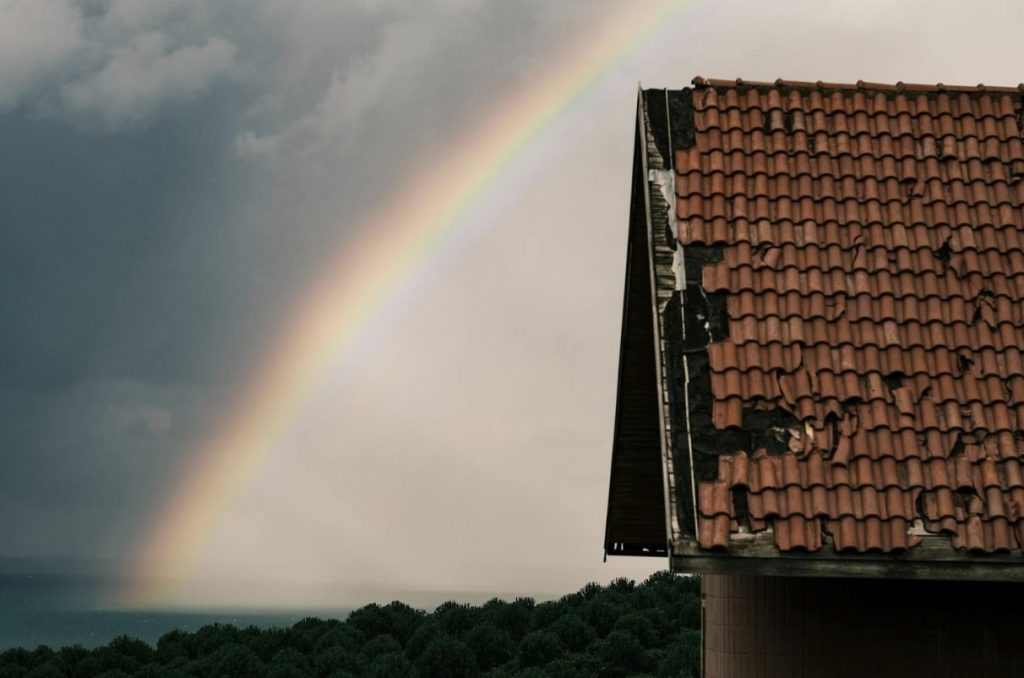
Structural roof damage demands swift attention and professional expertise. By recognizing the warning signs early, understanding the root causes, and knowing your repair options, you can mitigate risk and ensure your home remains a safe and sound place for years to come. Whether it’s routine inspections, timely repairs, or preventive upgrades, staying proactive is the key to managing your roof’s structural integrity. Don’t wait for small issues to become structural disasters. Start protecting your roof today.

0 Comments