

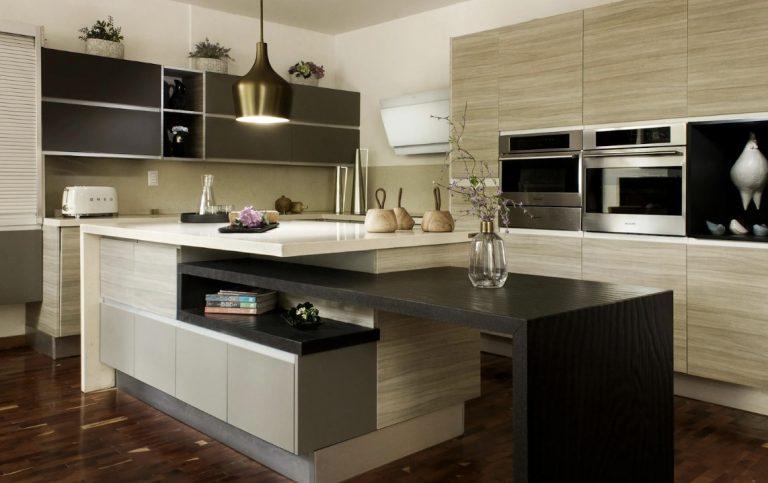

A kitchen often reflects a home’s character more than any other space. It’s where coffee brews in the early hours, where meals are prepared with intention, and where conversations often start. Over time, what once felt practical can begin to show its limitations. The layout might feel cramped. Storage could seem insufficient. Light might not reach where it should. Recognizing the elements your kitchen lacks is the first step toward making it feel complete.
Rethinking the Layout: Remodeling with a Purpose
Remodeling doesn’t need to involve tearing everything down and starting from scratch. Sometimes, a shift in the layout, a better use of vertical space, or upgraded surfaces can completely reshape the way a kitchen functions. The best remodels are driven not just by aesthetics but by how a space can better support everyday use. Experts like Elegant Kitchen & Bath help homeowners pinpoint what’s not working and suggest solutions that fit both budget and lifestyle. Their insight is often the difference between a remodel that simply looks new and one that feels intuitive.
This process begins by identifying friction points—places where movement is awkward, access is limited, or flow is constantly interrupted. Perhaps the refrigerator door blocks a cabinet when open, or the dishwasher crowds the sink area. Small frustrations like these tend to accumulate over time, subtly chipping away at the kitchen’s usefulness. A remodel realigns the space with how it’s used.
Lighting That Does More Than Illuminate
Natural light brings warmth, but few kitchens are designed to fully take advantage of it. Even with windows, shadows often dominate key areas like counters and stovetops. Overhead lighting can feel harsh, while dim corners become wasted space. A kitchen benefits from layers of light—ambient, task, and accent. Recessed fixtures paired with under-cabinet lighting can create better conditions for cooking, while pendants over islands provide both utility and charm.
Good lighting isn’t just about brightness. It’s about making the room feel open and workable at all times of day. The wrong temperature of bulbs can make a white countertop look dull or cast odd hues on ingredients. Adjustability matters too. Dimmers, motion sensors, and zone lighting make a space more responsive to different needs, from prepping a late dinner to welcoming in soft morning light.
Storage That Works With You, Not Against You
Most kitchens have storage, but not the kind that truly helps. Deep corner cabinets that hide items until they’re forgotten, upper shelves that require a step ladder, or drawers that jam too easily all add friction to routine tasks. Replacing these with pull-out shelves, vertical dividers for baking sheets, and spice drawers designed for visibility can make an immediate difference.
Storage should align with behavior. If a family uses a lot of fresh produce, then wider crisper drawers or a designated pantry area for baskets make more sense than standard cabinetry. For those who bake regularly, deep drawers for mixing bowls and bins for flours create a setup that encourages consistency. Smart storage is less about quantity and more about fit. When every item has a place that’s easy to reach, a kitchen becomes faster and more satisfying to use.
Surfaces That Hold Up to Real Life
Countertops take more abuse than almost any other surface in the house. They’re used for chopping, serving, and sometimes even sitting. The wrong material can chip, stain, or dull quickly. The best surfaces balance durability with comfort. They shouldn’t feel too cold to the touch or show every fingerprint. Materials like quartz offer stain resistance and low maintenance, while butcher block brings warmth and can be sanded down when scratched.
The same applies to flooring. It’s often chosen for its look, but daily wear tells a different story. Floors should be easy to clean, non-slip, and able to take the weight of foot traffic, dropped utensils, and the occasional spill. Tile and luxury vinyl planks tend to do better than traditional hardwood in these situations. Backsplashes, meanwhile, protect walls while adding a design element. The right material here can make cleanup simple and help tie the room’s visual identity together.
Appliances That Keep Up With Modern Living
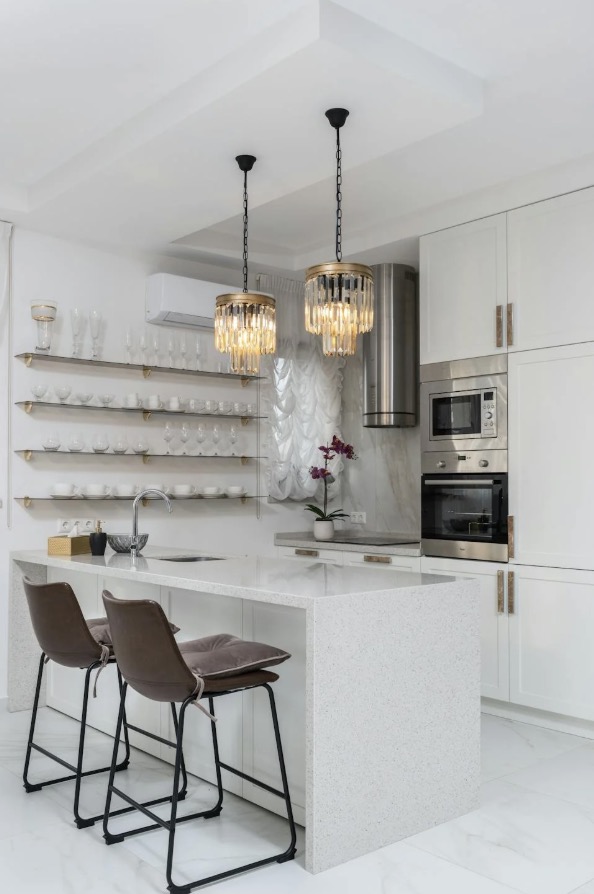
Today’s kitchens often outgrow their appliances. What once worked fine might now feel sluggish or outdated. Old ovens take too long to preheat. Refrigerators might not keep produce fresh. Dishwashers leave behind residue. Upgrading to newer models doesn’t just save time—it often saves energy and money in the long run.
Smart appliances aren’t just trendy additions. Many now offer features that genuinely improve efficiency. Fridges with separate humidity zones help prevent waste. Induction cooktops provide faster, safer heating. Dishwashers with adjustable racks and targeted jets clean more thoroughly. Rather than buying the biggest or flashiest model, it helps to think about what kind of support the appliance offers for real-world use.
A kitchen that works well and looks the part doesn’t require an overhaul—just attention to what’s been overlooked. Recognizing what’s missing is often the first step toward building something that fits not just the house, but the way people live inside it.

0 Comments