Wellness is a holistic journey that encompasses physical, mental, and emotional health. Stress has become an unwelcome companion, and maintaining balance can feel like a Herculean task. Integrating various wellness therapy techniques can offer relief and rejuvenation. These methods address symptoms of stress and empower individuals to improve their quality of life. Here, we explore effective techniques that promote both balance and stress relief.
Professional Support and Guidance
Seeking guidance can provide critical pathways to achieving balance in life. The right wellness therapy experts possess the training and experience to assist individuals in exploring their concerns and developing coping strategies. Supportive tools from therapy may include cognitive-behavioral techniques, tailored therapeutic exercises, or holistic methods reflecting the client’s needs.
Regular counseling sessions can offer accountability and a safe space for vulnerability. Therapists employ different modalities tailored to individual preferences, whether talking therapy, art therapy, or body-centered approaches. Each of these modalities focuses on building personal growth and resilience.
Meditation and Mindfulness Practices
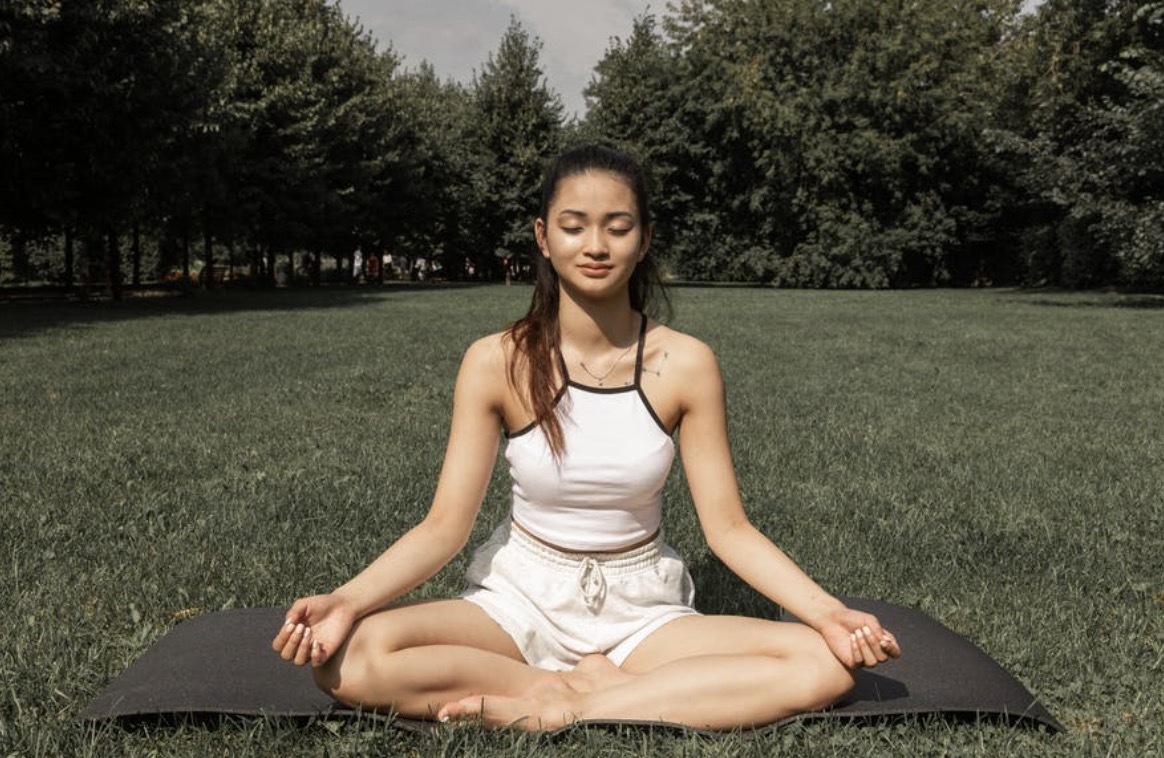
Meditation is a time-honored technique that calms the mind and centers the spirit. Various studies have shown that regular meditation can decrease anxiety and improve emotional well-being. Mindfulness practices, closely related to meditation, encourage individuals to focus on the present moment. This approach cultivates a deeper awareness of thoughts and feelings, enabling people to respond to stressors more constructively.
Practicing mindfulness can be as simple as deep breathing exercises or guided imagery sessions. Both methods offer considerable benefits that can reduce stress actively. Once you incorporate these practices into your routine, you cultivate a peaceful mind and a balanced life.
Yoga and Physical Movement
Yoga is more than just an exercise; it is a comprehensive practice that colors well-being through movement, breath work, and meditation. Engaging in yoga can improve flexibility, strength, and mental clarity. By synchronizing breath with movement, yoga facilitates a meditative state that encourages tranquility and strength. Numerous studies show that regular yoga practice reduces cortisol levels, the primary stress hormone.
The physical aspect of yoga improves body awareness and allows individuals to feel more in control of their physical state. Whether you prefer a gentle Hatha style or a more vigorous Vinyasa flow, yoga can be adapted to suit personal preferences.
Art and Expressive Therapies
Creativity serves as a powerful outlet for stress — people can express their emotions through various art forms. Art therapy invites people to explore their feelings through painting, drawing, or even sculpting. This method encourages self-expression and can uncover emotions that are difficult to articulate.
Writing therapy offers a space for introspection and catharsis through journaling or storytelling. Research has demonstrated that engaging in creative activities can activate the brain’s reward system, resulting in feelings of happiness and fulfillment. These therapeutic approaches promote resilience by helping individuals articulate their thoughts in a non-verbal manner.
Nutrition and Holistic Wellness
Many underestimate the relationship between nutrition and mental health. A balanced diet rich in vitamins and minerals can boost your mood and cognitive function. Mindful eating encourages awareness about what you consume so you can make healthier food choices.
Incorporating a variety of fruits, vegetables, whole grains, and proteins into your diet nourishes both the body and mind. The field of nutritional therapy delves into how certain foods can affect emotional well-being. Professionals in this area can offer tailored dietary strategies to an individual’s unique needs. By focusing on nutrition, individuals can foster wellness at every level—physically, mentally, and emotionally.
Nature-Based Therapies
Connecting with nature is a rejuvenating experience that can counteract stress and promote balance. Nature-based therapies, such as ecotherapy, involve therapeutic practices conducted in natural settings. This could include hiking in the woods, meditative walking on a beach, or gardening. The ambient sounds of nature, fresh air, and sunlight synergistically promote relaxation and clarity.
Being in natural surroundings stimulates a connection with the earth. The physical activity associated with these therapies further amplifies their stress-relieving effects. Making time for nature in your wellness routine can generate mental health improvements.
Sleep Hygiene and Relaxation Techniques
Quality sleep can maintain mental and physical health. Poor sleep can exacerbate stress and negatively impact overall wellness. Progressive muscle relaxation, deep breathing, or guided imagery can all improve sleep quality and well-being. A consistent sleep schedule can create a calming nighttime routine, and don’t forget to limit screen time before bedtime to improve sleep hygiene.
Good sleep hygiene can lead to significant improvements in mood and stress management. Individuals prepare their minds and bodies for the challenges of the day ahead. Emphasizing the importance of sleep can pave the way for effective stress relief and rejuvenation in their lives.

Developing balance and reducing stress require consistent effort and the integration of various wellness strategies. From meditation and nutrition to professional guidance and sleep hygiene, each technique offers unique benefits. By embracing these practices, individuals take proactive steps toward improving their physical, mental, and emotional well-being. The journey towards wellness is not a destination but a rewarding, ongoing process.