

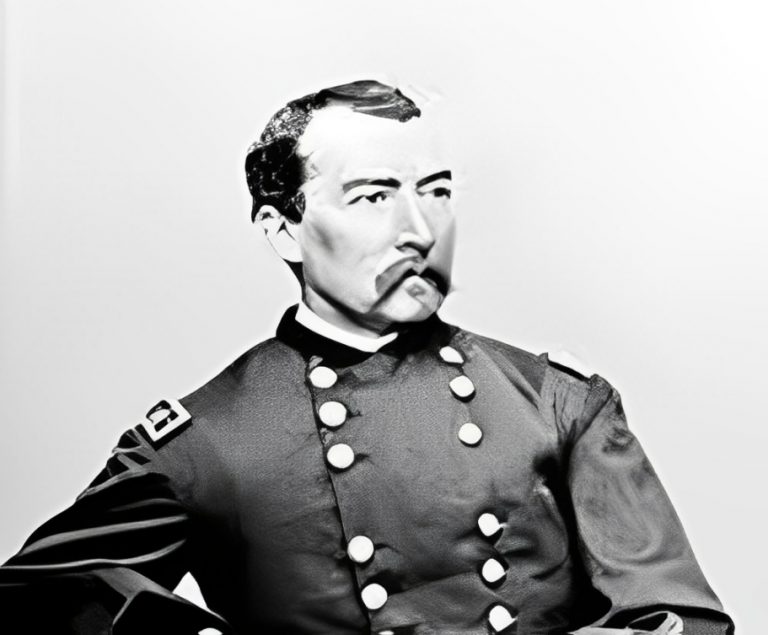

Philip Bazaar’s is a story of perseverance, bravery, and unassuming heroism that makes history. A Chilean immigrant who joined the Union Navy during the most turbulent time in American history, Bazaar showed exemplary courage for which he was awarded the nation’s highest military award—the Medal of Honor. Although not a name commonly found in American schoolbooks, his name lives on as a symbol of bravery, diversity, and what the immigrants have contributed to America.
A native of South America, Bazaar’s journey to America and into the armed forces is a testament to the resilience of those who battle not just for a country, but for what that country represents. His work on the capture of Fort Fisher in 1865 turned the tide of the Civil War and gave him one of only a few hundred Hispanic Medal of Honor winners. In this article, his life, unpretentious beginnings, military career, act of heroism, height, and lasting legacy are probed to make his story one for the ages.
Quick Bio
| Name: | Philip Bazaar |
| Birthday: | N/A - December 28, 1923 |
| Age | N/A |
| Birth Location | Santiago, Chile |
| Ethnicity | Latino |
| Nationality | Chilean American |
| Religion | Christianity |
| Zodiac sign | N/A |
| Occupation: | United States Navy Seaman, Medal of Honor Recipient |
| N/A |
Who Was Philip Bazaar?
Philip Bazaar was an American-Chilean naval sailor who served for the Union Navy during the American Civil War. He later became significant in history as being part of the initial Hispanic recipient of the Medal of Honor, the highest and most renowned military decoration of the United States. Bazaar was on the USS Santiago de Cuba and was instrumental in one of the final and most important battles of the war—the assault on Fort Fisher in North Carolina.
Bazaar’s courage, particularly in the face of bleak circumstances, highlights the significant but otherwise lesser-known role that immigrants contributed to American history. Although from a different continent, he devoted himself to the cause of the Union and risked his life in a foreign land for the sake of the principles of liberty and concord. It is realized today that his work is a matter of pride in not restricting patriotism by geography.
Early Life
Philip Bazaar was born in Chile in the early 19th century, but he was born some year that is unknown. At a young age, he departed for the United States in search of better economic prospects, a phenomenon common among other immigrants at the time. He eventually settled in New Bedford, Massachusetts, a prosperous seaport city that was a hub of immigrants and sailors.
Not much is written about his education or family life, but it’s clear that Bazaar possessed a strong sense of responsibility and courage that set him apart. Enlisting with the U.S. Navy, a decision which would find him shortly in the midst of a war as a national conflict, was the beginning of an extraordinary journey. A man of modest beginnings, the story of Bazaar reveals that greatness can lie within anyone, even the most unassuming of individuals.
Career Beginning
Bazaar officially enlisted in the United States Navy on May 18, 1864, when the Civil War was at its height. He was listed as an “Ordinary Seaman,” the lowest grade given naval officers at that time. He was sent to the USS Santiago de Cuba, a steam war vessel used by Union troops to blockade Confederate ports and aid land fighting down the Southern coast.
Serving as a seaman in the Navy during the Civil War came with brutish conditions and almost perpetual danger. It was especially so for combat personnel. Bazaar found himself frequently plunged into high-risk situations in which cunning and courage were essential. Despite being an immigrant in a country still grappling with race and identity divisions, he earned the respect of colleagues and superiors alike because of his commitment and fearlessness.
What Was Philip Bazaar Known For?
Bazaar is best known for his bravery during the Second Battle of Fort Fisher, which took place on January 15, 1865. Fort Fisher was the most important Confederate fort protecting Wilmington’s port, North Carolina—the South’s last major seaport. The Union Army and Navy staged a joint assault to take the fort, and Bazaar was one of the landing troops who attacked the defenses.
Working through heavy firing and combat, Bazaar volunteered to transport important dispatches between Union generals. The dispatches were crucial to coordinating troops in the chaotic battle. Undeterred by the risk, he executed his duty without grumbling. His combat bravery earned him a Medal of Honor later on June 22, 1865. His citation lauded his “extraordinary heroism,” and he was among a very few foreign-born recipients of the medal at the time of the Civil War.
Philip Bazaar’s Physical Appearance
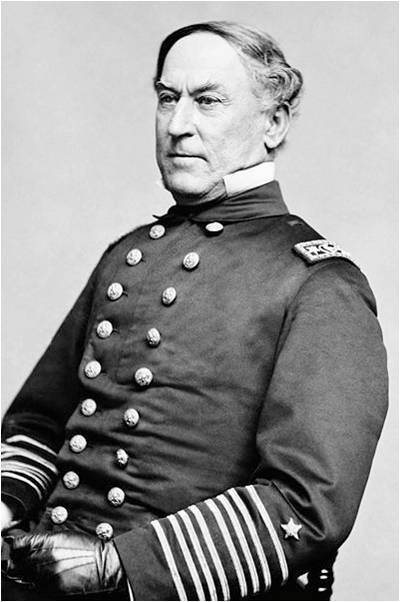
Not much can be said about Philip Bazaar’s appearance, except that extant photographs and military records help to partially visualize him. He is normally depicted in his Navy uniform, complete with flat hat and typical issue dark wool sailor men’s fashion style of the era. His glum demeanor in these images is reflective of the disciplined and focused nature of military duty in the Civil War.
Although exact facts such as his height and weight are not recorded, the physical demands of his occupation as a sailor suggest he was likely fit and robust. Sailors in the Navy required to climb rigging often, handle cannons, and perform hard labor on board ships. Bazaar’s capacity to operate under stress, especially in combat action such as Fort Fisher, is a testament to his physical and mental strength.
Legacy
Philip Bazaar’s legacy is a touching reminder of the diversity and richness of America’s past. The first Hispanic to be awarded the Medal of Honor, he opened the way and left an example for generations of immigrants yet to come who would serve the United States in all imaginable capacities. His bravery at Fort Fisher demonstrated that heroism transcends nationality and that immigrants are and will be defenders of the country’s ideals.
Today, Bazaar’s past is being rediscovered and recalled in educational materials, documentaries, and cultural heritage projects. Inclusive institutions like the Congressional Hispanic Caucus and Latinx History archives make his work the central focus to remind us of America’s inclusive military heritage. His name may not yet be as well-known as some others are, but his legacy remains just as greatly esteemed by those familiar with the complete scope of American military history.

0 Comments