

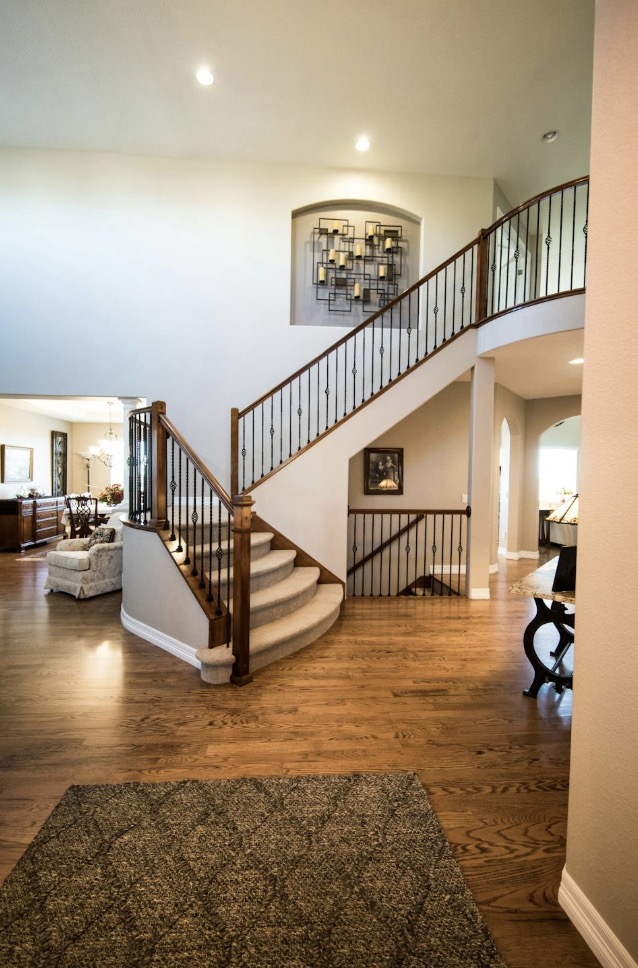

The staircase often plays a defining role in a home’s character. It’s more than a connection between levels—it’s a built-in feature that can command attention the moment someone steps through the front door. A bold staircase design doesn’t just serve a purpose. It can set the tone for the rest of the house. Whether it’s sleek and modern or detailed and classic, a striking staircase helps create a lasting impression, functioning as both a pathway and a centerpiece. By paying attention to design details, materials, and structure, the staircase becomes a visual highlight that reflects personal style and architectural ambition.
Stair Hardware That Demands Attention
When reimagining a staircase, hardware rarely gets the spotlight, yet it plays a major part in the final look and feel. From brackets and balusters to fasteners and rail supports, the selection and placement of hardware influence the overall tone, whether leaning toward industrial, traditional, or contemporary design. Choosing quality stair hardware midway through a project can elevate even a modest staircase into something extraordinary, blending function with design. Brushed metals, matte finishes, or aged bronze can all shift the staircase’s personality. A modern staircase with clean glass panels can be complemented by minimal hardware that doesn’t disrupt the visual flow, while an ornate wooden stair benefits from classic ironwork to add richness and continuity. The right hardware doesn’t scream for attention, but always helps shape the message.
Bold Color Choices with Purpose
Color has a powerful way of changing perception. A painted staircase in a striking tone—charcoal, forest green, terracotta, or deep navy—brings an unexpected burst of personality to a hallway or foyer. Going beyond white risers and natural treads opens the door to creative interpretations that don’t feel cookie-cutter. Some homeowners choose to paint risers in ombré shades for a graduated effect, or apply contrasting colors to risers and treads for a dramatic two-tone visual. Black and white schemes bring instant contrast and confidence. Adding painted patterns, geometric shapes, or stenciled detailing on risers provides a canvas for subtle artistry without overpowering the space. A bold color treatment doesn’t have to be loud—it simply needs intention and balance to make the staircase stand out as a considered design decision.
Sculptural Handrails and Balusters
One of the most eye-catching ways to shift a staircase from standard to showstopper is by rethinking the handrail and baluster design. Sculptural elements add structure and personality to the framework of the staircase. Instead of standard wood spindles, curved wrought iron or laser-cut metal panels add intricacy and rhythm. Glass balustrades paired with timber rails give the illusion of floating steps, perfect for modern homes. Handrails carved from reclaimed wood or molded into organic shapes bring a tactile, sculptural presence. Designers are also experimenting with cable railing systems and vertical rod layouts that feel architectural without sacrificing safety. These elements often sit at eye level, making their design especially impactful. A well-crafted handrail isn’t just a support—it’s part of the staircase’s silhouette and tells a story of its own.
Floating Stairs with Structural Drama
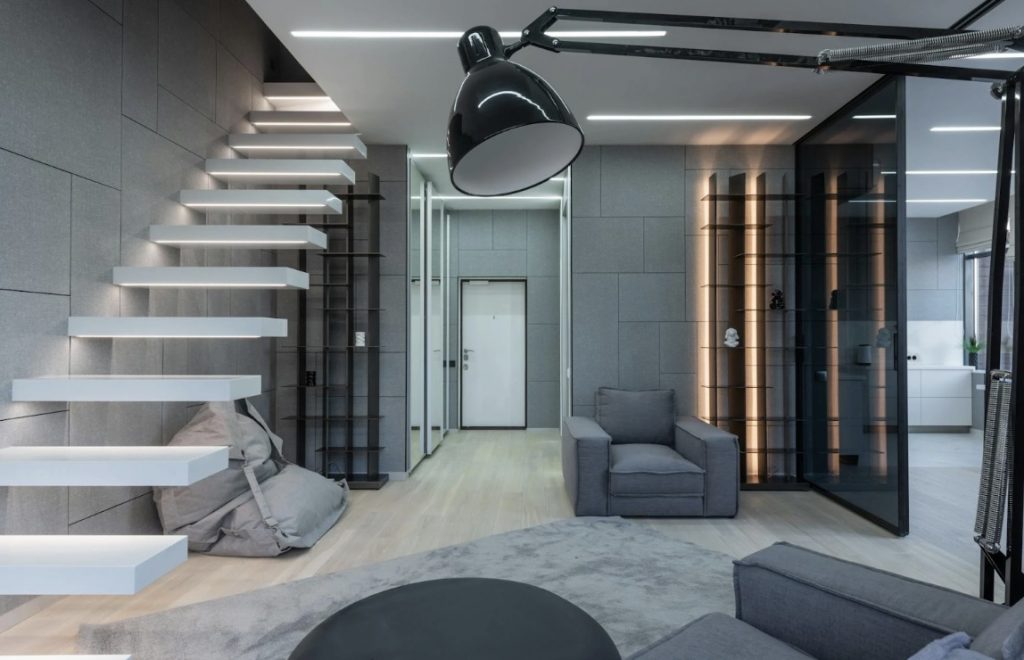
Nothing signals bold design like a floating staircase. These staircases appear to be unsupported or lightly anchored, defying the eye and adding a sense of weightlessness. In homes with minimal interiors, floating stairs become a striking centerpiece. Whether made from solid oak planks jutting from the wall or concrete treads that spiral upward like a sculptural helix, floating stairs grab attention without cluttering space. Transparent or open risers reinforce the airy feel. Often paired with glass railing or no railing at all, this style favors homes with open-plan designs where visual flow is key. Floating stairs require careful planning, especially when it comes to engineering, but the reward is a staircase that reads as much like an architectural statement as it does a structural necessity.
Unexpected Materials that Shift Expectations
Using materials outside the expected palette brings dimension to staircase design. Concrete, raw steel, or reclaimed wood all bring texture and history into the space. A staircase built from concrete and steel immediately reads as industrial and grounded, while one made with warm reclaimed timber introduces softness and age. Natural stone treads, terrazzo patterns, or leather-wrapped railings introduce tactile and visual variety. Even acrylic or colored resin stair treads offer a unique, futuristic vibe. These materials invite touch, catch light, and shift mood. Material choices help anchor the staircase within the style of the home or break entirely from the surroundings, standing as a point of contrast. With thoughtful craftsmanship, mixing materials adds tension, depth, and personality.
The staircase, often overlooked in favor of kitchens or living rooms, carries massive design potential. With careful planning and a focus on detail, a staircase becomes more than just a way to get from one level to another. It becomes a visual journey in its own right.

0 Comments